
Track Bias in Box Betting: Adjusting Selections
 Available in US
Track bias operates as an invisible hand that tilts race outcomes in ways that confound traditional handicapping. When the racing surface favors certain positions or running styles, horses that should win on paper lose to inferior competitors who happen to benefit from the track’s peculiarities. For box bettors, understanding and exploiting track bias can mean the difference between wasting money on combinations that never had a chance and capturing overlays that the general betting public misses entirely.
Get valuable exotic tips on bookmakers-bet.
The concept is straightforward: racetracks are not perfectly uniform surfaces. Weather, maintenance patterns, moisture content, rail positioning, and accumulated wear create conditions that advantage some horses while handicapping others. A track that favors inside speed punishes closers who rally wide. A dead rail forces horses to swing wide, rewarding those drawn to outside posts. These conditions exist independent of the horses’ inherent abilities, yet they dramatically influence finishing order. The box bettor who ignores bias constructs combinations based on incomplete information, often investing heavily in horses whose running styles guarantee failure under the day’s conditions.
Track bias matters especially for exotic bettors because it scrambles the expected order of finish. A three-horse trifecta box might include the three best horses on paper, but if two of them are closers on a speed-favoring day, the box will lose no matter how sound the original handicapping. Adjusting selections to account for bias means sometimes excluding superior horses in favor of inferior ones whose styles align with how the track is playing. This counterintuitive approach feels wrong until you watch enough races where the best horse finishes fourth because it could not overcome a powerful positional disadvantage.
Table of Contents
Identifying Bias Types
Speed bias represents the most common and most profitable form of track bias for alert bettors. When the racing surface favors front-runners, horses who establish early position and stay near the rail tend to maintain their advantage through the stretch. Closers expend extra energy rallying through slower ground or into a headwind that affects those running wide more severely. The visual signature of speed bias is a race card where wire-to-wire winners dominate despite competitive fields.
At certain tracks and under specific conditions, the opposite occurs. Closer bias develops when the rail becomes tiring or dead, forcing early speed to labor through deep footing while horses rating behind enjoy a trip over ground that others have compacted. These days reward patient riders who save ground early and time their rallies for when leaders begin to tire from their efforts through the slow inside path. The Kentucky Derby has produced memorable closer-bias results when spring rains saturate Churchill Downs’ main track.
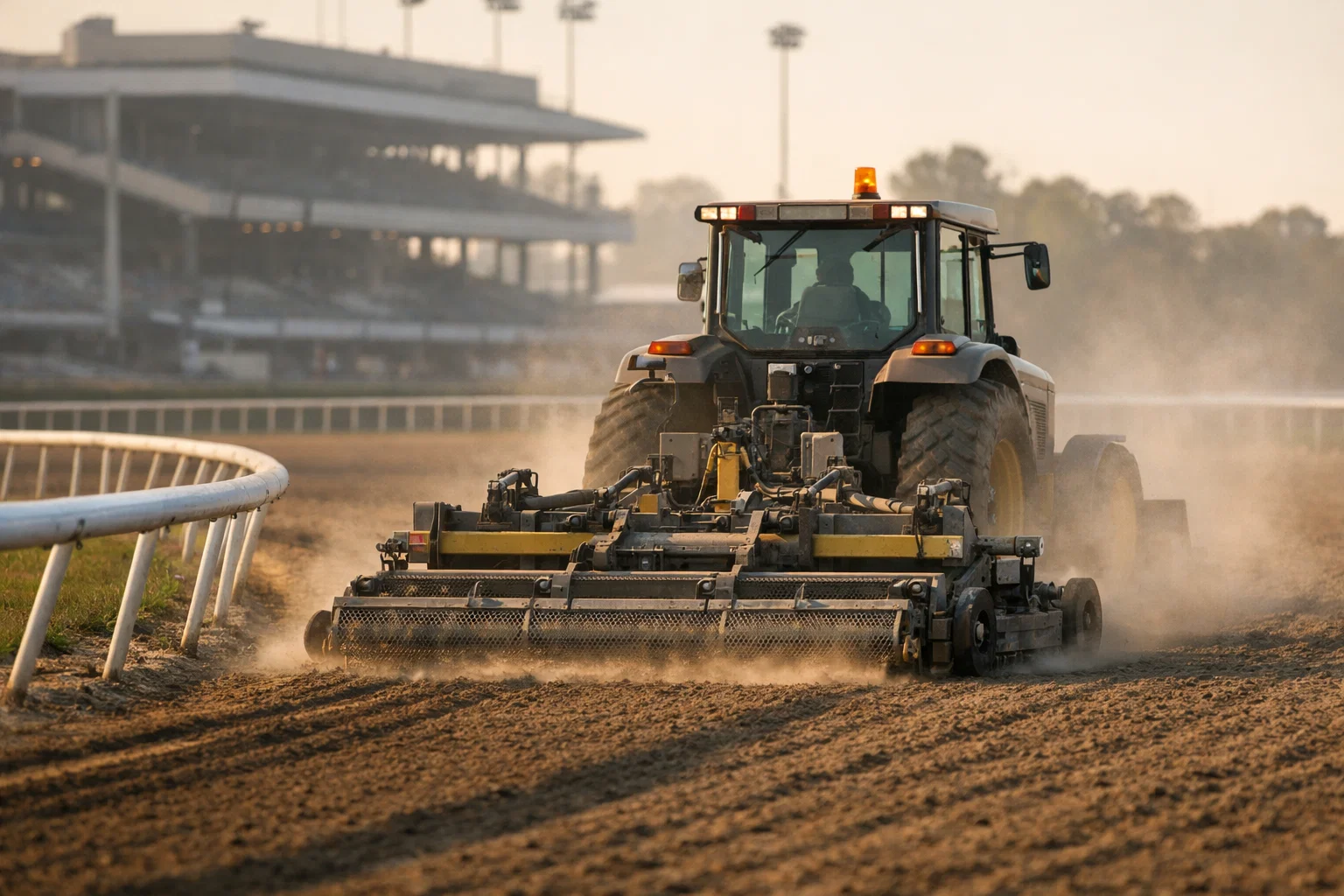
Positional bias refers to advantages conferred by racing location rather than running style. Inside bias means the rail path plays faster, rewarding horses drawn to low post positions who can establish inside position early and maintain it. Outside bias develops when the rail is dead or when maintenance has created a faster strip several paths off the fence. Some tracks develop a golden highway in the five or six path that observant bettors can exploit by keying horses likely to race there.
Post position bias relates specifically to starting gate placement and its effect on early positioning. On tight turns, inside posts provide geometric advantages that compound as the field navigates the bend. On certain track configurations, extreme outside posts face nearly impossible journeys to competitive positions. Understanding which posts perform best at specific distances and configurations allows box bettors to weight their selections toward structurally advantaged horses.
Reading the Bias in Real Time
Professional handicappers watch early races on a card specifically to detect emerging bias patterns. The first two or three races reveal how the track is playing that day, information that becomes increasingly valuable as the card progresses. If the first three races produce wire-to-wire winners from inside posts, a strong speed and inside bias is operating. If closers rally to win despite apparently slow early fractions, the rail is likely dead and late runners will continue to benefit.
Post-race jockey comments provide invaluable bias intelligence. Riders experience the track directly and their observations about footing, traction, and optimal racing positions carry authority that pure results analysis cannot match. When multiple jockeys mention that the rail is heavy or that the outside path felt faster, this information should immediately influence exotic selections for remaining races. Listen to winner’s circle interviews and paddock commentary for these insights.
Fractional times offer objective bias evidence. On a speed-favoring surface, early fractions tend to be slower than par for the class level because front-runners encounter less pressure from closers who cannot sustain their rallies. Conversely, on closer-favoring surfaces, early fractions often exceed par as speed horses press hard trying to establish enough cushion to hold off late rallies. Comparing actual fractions to track and distance par times reveals how the surface is affecting race dynamics.
Visual observation during race replays confirms or contradicts bias hypotheses. Watch where winning rallies originate. Do closers advance while hugging the rail or while swinging wide into the stretch? Do speed horses maintain position by staying inside or by drifting to mid-track? These patterns indicate which paths are playing fastest and should guide exotic construction for subsequent races.
Adjusting Box Selections
When strong speed bias exists, box constructions should emphasize early speed horses even at the expense of apparently superior closers. A four-horse exacta box that includes three closers and one speed horse might seem balanced, but under speed bias, you have effectively constructed a one-horse win ticket disguised as a box. The closers will not overcome the bias to fill the exacta positions, leaving you exposed when your lone speed selection finishes out of the money.
The practical adjustment involves replacing late-running contenders with additional speed horses, even if those horses appear inferior on class and figure. Consider a race where your handicapping identifies horses A (closer), B (closer), C (presser), and D (speed) as contenders. Under neutral conditions, a four-horse exacta box makes sense. Under speed bias, horses A and B become marginal plays at best. The adjusted box might include D, C, E (speed), and F (presser), even though E and F showed weaker figures than A and B. The bias makes them more likely to fill exacta positions despite their apparent inferiority.
Trifecta and superfecta adjustments follow similar logic but require attention to each position. Under speed bias, the win position should heavily favor early speed. The place position might include a mix of speed and pressing types who can secure forward position. The show position can include a closer or two as insurance against the rare day when bias shifts mid-card. This tiered approach acknowledges that bias affects different finishing positions with varying intensity.
Part-wheel constructions become especially powerful under pronounced bias. Instead of boxing four horses equally, wheel your bias-advantaged selections on top with your paper handicapping selections underneath. If speed is strongly favored, wheel your speed horses in the win position and spread your other contenders through place and show. This structure costs less than a full box while concentrating investment on the most likely outcomes.
Track-Specific Patterns
Certain tracks develop predictable bias patterns that recur seasonally or in response to specific conditions. Saratoga’s main track has historically favored closers during meet’s first weeks when the surface is fresh, then gradually transitions toward speed as the meeting progresses and the rail becomes more worn. Aqueduct’s inner dirt track shows pronounced speed bias, especially at sprint distances where the tight turns compound early position advantages. Gulfstream Park’s renovated surface has developed a reputation for favoring early speed, particularly in one-turn mile races.
California tracks present their own bias signatures. Santa Anita’s hillside turf course heavily favors inside speed due to its downhill configuration and sharp turns. Del Mar’s surface condition varies significantly based on marine layer moisture, with morning fog creating different conditions than afternoon sun. Golden Gate Fields’ synthetic surface reduces traditional bias patterns but introduces its own quirks related to moisture absorption.
Try placing some bets on synthetic.
Turf racing introduces grass-specific bias considerations. When the rail is placed in positions that expose worn ground from previous meetings, inside runners face an obvious disadvantage. Course stewards typically move the rail to provide fresh ground, but understanding how rail placement affects optimal racing position pays dividends in turf exotic betting. The notation rails out indicates that the running rail has been moved away from the true inside, generally advantaging those who race close to the current rail position.
Maintaining a personal database of bias observations accelerates pattern recognition. Record the date, track, surface condition, and observed bias for every card you handicap seriously. Over time, correlations emerge between weather conditions, rail positions, and bias types at tracks you follow regularly. This accumulated knowledge provides an edge that casual bettors cannot replicate.
Integration with Box Strategy
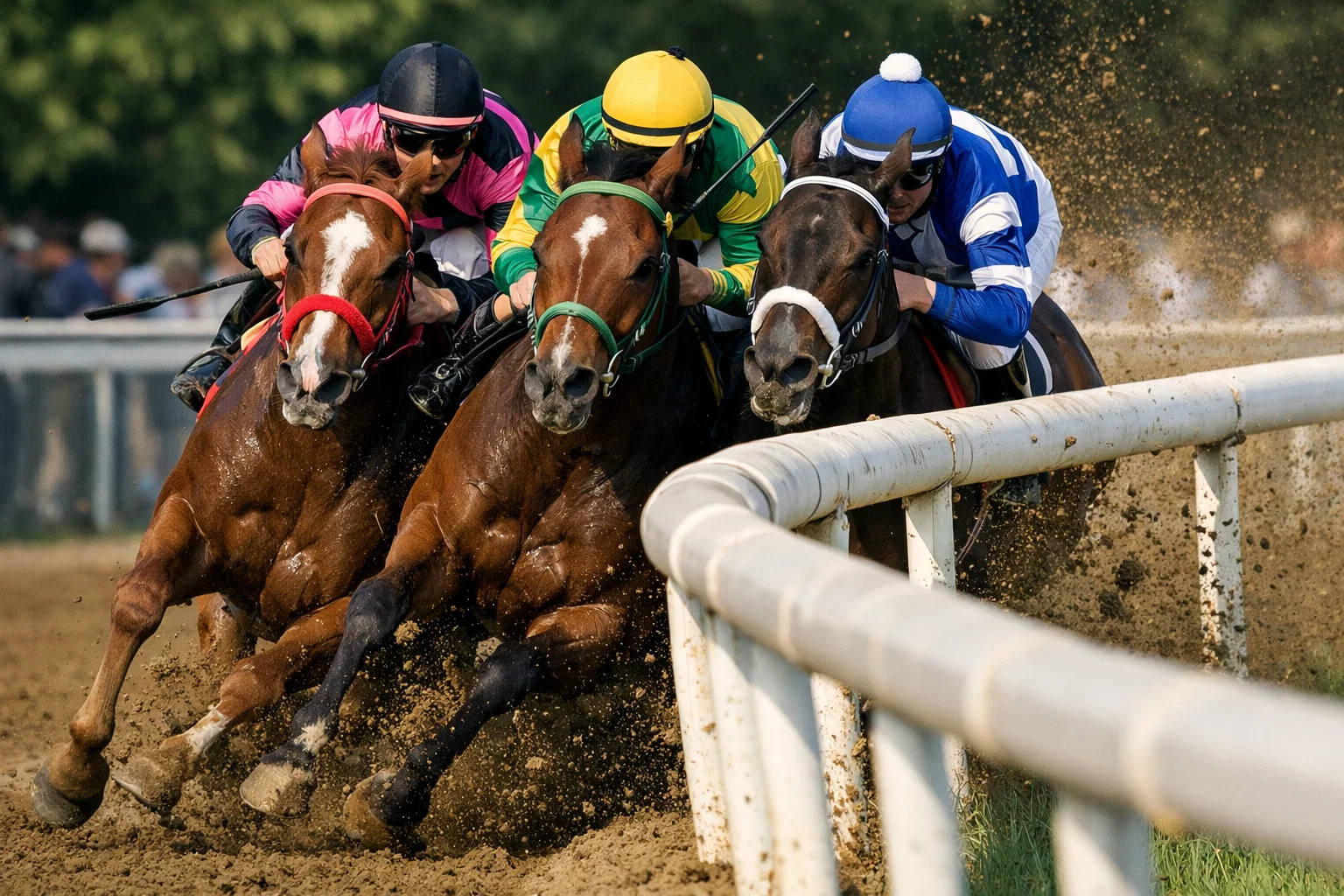
The synthesis of bias awareness and box construction requires adjusting both which horses you include and how you structure the bet. A neutral-condition box treats all combinations as roughly equivalent. A bias-adjusted box recognizes that certain combinations have higher probability based on track conditions and weights investment accordingly through part-wheel or keyed structures.
Begin each handicapping session by gathering bias intelligence: track condition reports, weather forecasts, recent race results at the same venue, and any available rail position information. Before constructing any exotic ticket, establish a working hypothesis about likely bias direction and intensity. Then filter your contenders through this bias lens, promoting horses whose styles align with conditions and demoting those who must overcome the track to win.
Remain flexible as the card progresses. Bias can shift during a racing day, particularly when weather changes or when track maintenance between races alters the surface. A speed bias present in the first three races might moderate by the seventh race if track crews add water during the break. Update your bias assessment after every two or three races and adjust remaining exotic constructions accordingly.
The box bettor who masters bias integration gains a systematic advantage over those who construct boxes based solely on class, figures, and form. Track bias represents exploitable inefficiency in pari-mutuel pools because the general public underweights its importance. When you correctly identify bias and adjust selections accordingly, your boxes contain higher-probability combinations than the public’s, translating directly to long-term profitability in exotic wagering.
