
Pace Analysis for Box Betting Success
 Available in US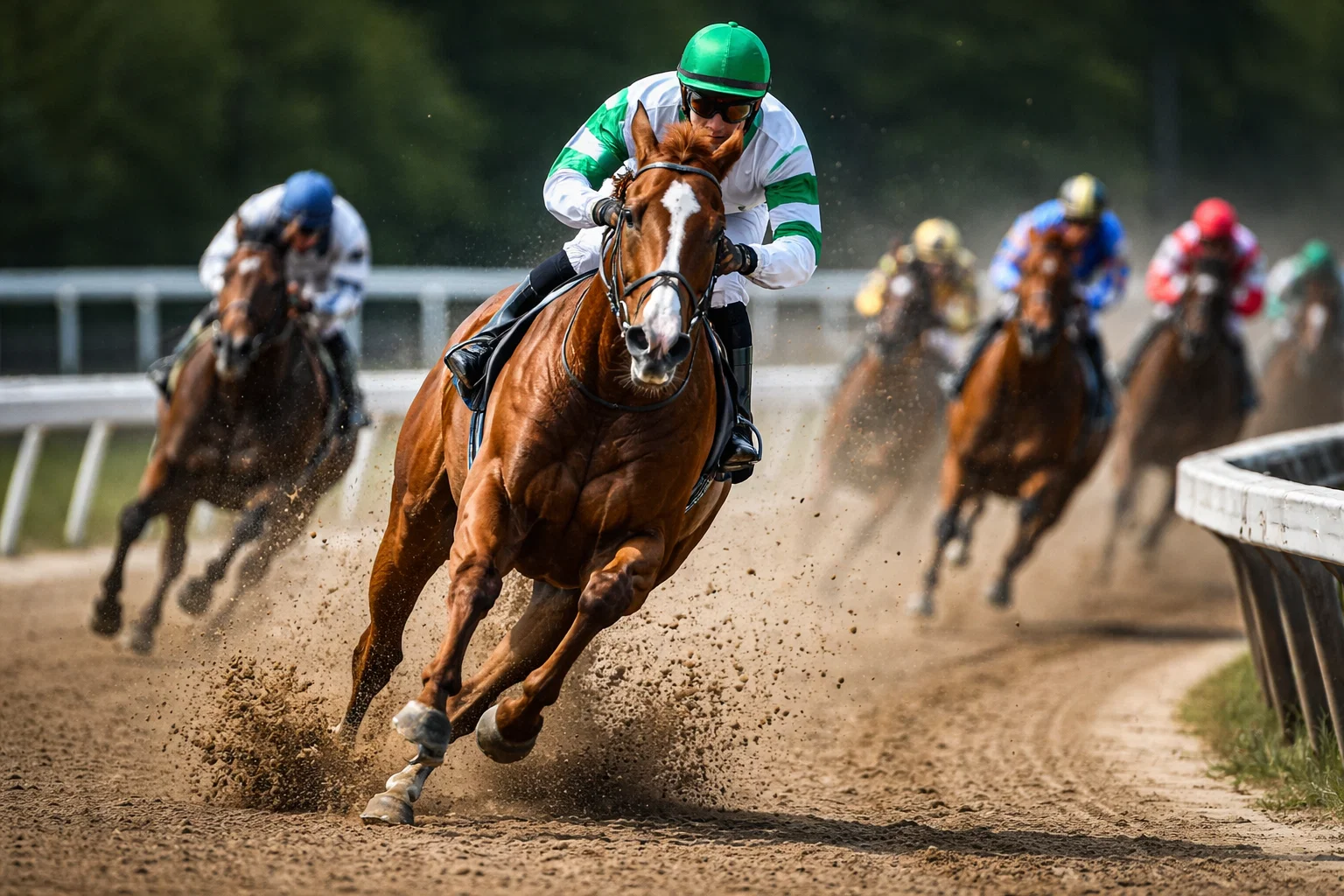
The ancient racing adage that pace makes the race contains profound truth for exotic bettors. How fast the early fractions are run determines which horses have energy remaining for the stretch drive and which horses have exhausted themselves in premature speed battles. A horse with superior raw ability might lose to an inferior rival simply because the pace scenario worked against its running style. Box bettors who ignore pace dynamics consistently include horses whose running styles guarantee failure while excluding horses whose styles align perfectly with the likely race shape.
Reduce the variance easily using bookmakers-bet.
Pace analysis asks a fundamental question: how will this race unfold in its early and middle stages, and which horses benefit or suffer from that scenario? A race loaded with front-runners will produce fast early fractions that exhaust the speed horses and set up closers for dramatic rallies. A race with a single speed horse produces slow early fractions that allow the front-runner to conserve energy and hold off late challenges. Understanding which scenario is most likely allows you to weight your box selections toward horses whose running styles match the projected pace.
The integration of pace analysis with box construction creates a powerful framework. Instead of selecting horses purely on raw ability measured by speed figures, you filter contenders through the lens of pace suitability. A horse with the best speed figures but the wrong running style for the projected pace becomes less attractive than a horse with slightly inferior figures but perfect pace fit. This adjustment often identifies overlays that the public misses because casual bettors focus on final times without considering how the race will be run.
Table of Contents
Identifying Running Styles
Every horse develops a preferred running style based on its physical characteristics, tactical speed, and temperament. Front-runners possess the early speed to establish leads and the mental composure to run relaxed while in front. Pressers sit just off the lead, applying tactical pressure to front-runners while conserving energy. Stalkers race mid-pack, positioning for moves entering the stretch. Closers settle at the back early and rely on powerful late rallies to overcome their initial position deficit.
Past performance data reveals running styles through position calls at various points of the race. A horse that shows first or second position at the first and second calls in most races is a confirmed front-runner or presser. A horse that consistently shows fifth or sixth position at early calls before advancing to finish strongly is a closer. Examining five or six recent races typically provides enough data to classify a horse’s preferred style, though some horses are versatile enough to employ different tactics depending on circumstances.
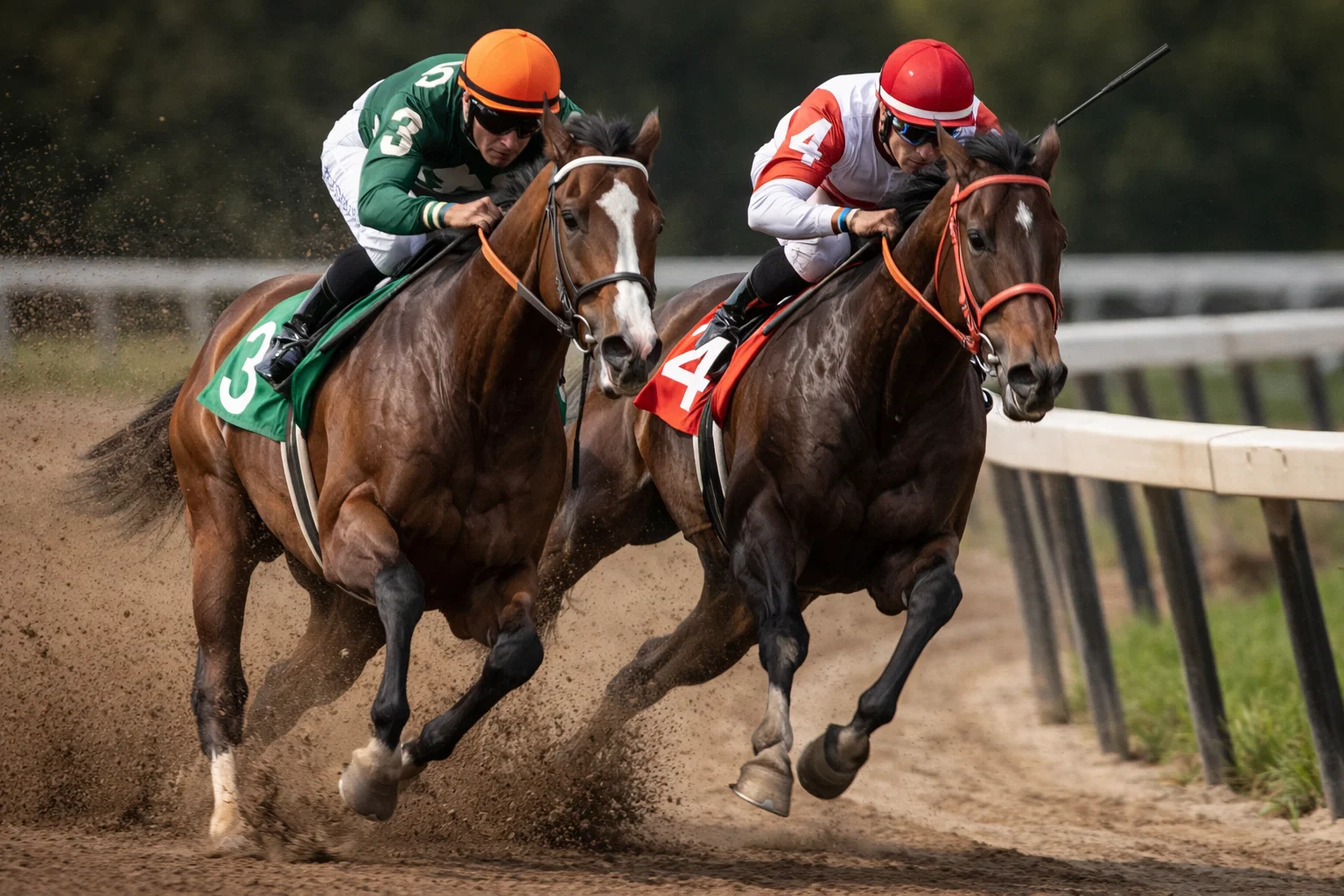
Early pace figures quantify tactical speed more precisely than position calls alone. BRIS E1 and E2 pace ratings measure how fast a horse ran to the first and second calls relative to track par. A horse with E1 ratings consistently above 95 possesses true early speed. A horse whose E1 ratings cluster around 80 lacks the tactical speed to contest early position against genuine front-runners. Comparing E1 and E2 figures across the field reveals which horses will contest the lead and which will settle behind.
Late pace figures identify horses with strong closing kicks. A horse with an LP rating of 105 accelerates through the stretch more powerfully than one with an LP rating of 88. When pace analysis predicts a fast early scenario that will compromise front-runners, horses with superior late pace ratings become attractive box additions even if their overall speed figures appear modest. The late kick compensates for moderate early position when the pace sets up favorably.
Projecting Race Shape
The critical skill in pace handicapping involves projecting how the early race will unfold based on the running styles entered. Examine each horse’s preferred style and early pace figures, then visualize how they will position themselves in the first quarter and half mile. Will there be a speed duel among multiple front-runners? Will a lone speed horse cruise on an uncontested lead? Will the lack of early speed produce a slow pace that keeps the field bunched?
Multiple front-runner scenarios favor closers and stalkers. When three or four horses all want the lead, they will press each other through fast early fractions. This speed duel exhausts participants, leaving them vulnerable to fresh horses rallying from behind. The fastest closers, identified by superior late pace ratings, become prime contenders when multiple speed horses guarantee a hot pace. Include these closers in your boxes and consider demoting or excluding the speed horses whose early exertions will compromise their finishes.
Lone speed scenarios favor the front-runner dramatically. When only one horse shows the E1 pace figures necessary to secure the lead, that horse can dictate slow early fractions that conserve energy for the stretch. Without pressure from rivals, the lone leader can maintain position through moderate exertion and have enough left to hold off late challenges. These scenarios call for keying the lone speed horse on top of your trifecta constructions with a variety of stalkers and pressers underneath.
Pace collapse scenarios occur when the field lacks any confirmed early speed. No horse wants the lead, resulting in unusually slow early fractions as the field waits for someone to take control. These races often produce wire-to-wire winners because whichever horse ends up on the lead by default inherits a soft pace that preserves its stamina. Identifying horses that can assume the lead even without natural front-running instincts becomes valuable in these unusual situations.
Applying Pace to Box Selection
Translating pace projections into box construction requires adjusting your contender list based on the likely race shape. Begin with your standard handicapping to identify horses with competitive speed figures. Then overlay pace analysis to determine which of those contenders are helped or hurt by the projected pace.
In hot pace scenarios, upgrade closers and downgrade front-runners. A closer whose speed figures rank fourth among your contenders might warrant inclusion in your top three for box purposes because the pace will benefit its style. A front-runner whose figures rank first might be demoted to an underneath-only position because it will exhaust itself in the early speed duel and fade in the stretch.
In slow pace scenarios, upgrade speed horses and downgrade deep closers. A front-runner or presser whose figures rank third might become your top selection because the soft pace will preserve its energy. A closer whose figures rank first might be excluded entirely because the slow pace will leave it too much ground to make up against rivals who are not tiring as expected.
Part-wheel constructions align particularly well with pace handicapping. When pace analysis identifies a strong win contender based on favorable scenario, key that horse in the first position with multiple possibilities underneath. If pace points to a lone speed horse as a near-certain leader but leaves uncertainty about which horse will rally for second and third, a key bet structure captures your confidence hierarchy more efficiently than a box that treats all combinations equally.
Advanced Pace Considerations
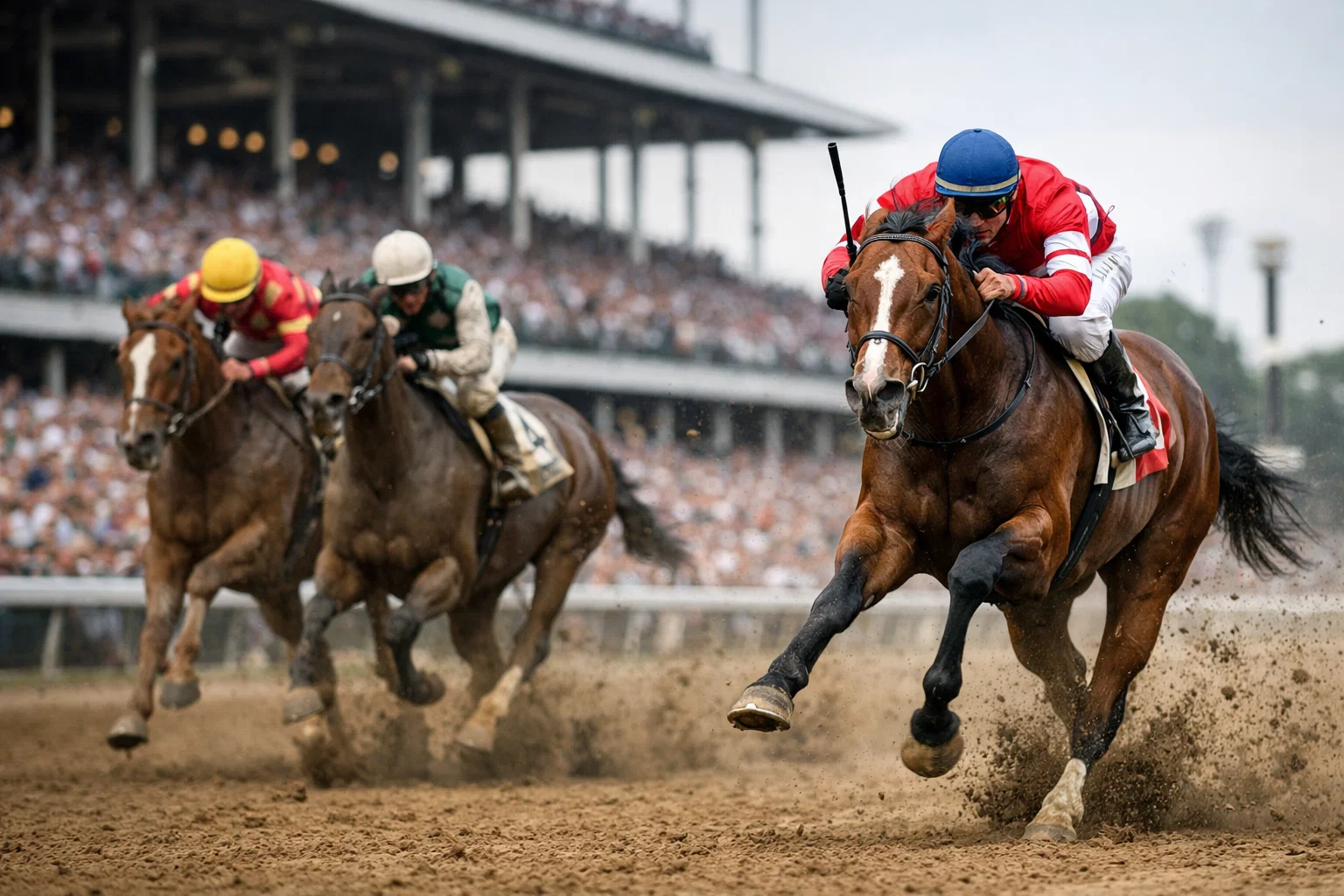
Track configuration affects pace dynamics. Tight-turned tracks like Santa Anita and Churchill Downs amplify early speed advantages because horses racing wide on turns lose significant ground. Front-runners who secure the rail have geometric advantages that compound through multiple turns. On sweeping courses like Belmont Park with long straightaways, closers have more time and space to build momentum for their rallies, somewhat mitigating the advantage of early position.
Distance changes alter pace relevance. In sprints under seven furlongs, early speed matters enormously because there simply is not enough race remaining for closers to overcome significant position deficits. In routes beyond nine furlongs, early position becomes less decisive because the extended distance provides more time for pace to unfold and for closers to methodically improve position. Your pace weighting should be more aggressive in sprints and more moderate in routes.
Turf racing produces different pace dynamics than dirt. Turf courses generally favor horses with tactical speed who can secure good position early and maintain it, because the firmer footing makes late rallies more difficult to sustain. Deep closers who depend on other horses tiring often find that turf competitors maintain their stride better than dirt runners. Additionally, turf races frequently produce slower early paces because jockeys know the surface rewards conservation.
Weather and track conditions modify pace projections. Sloppy or muddy tracks tire front-runners more quickly because each stride requires more effort through the deep footing. These conditions benefit horses with stamina and strong late pace figures. Fast, firm conditions allow front-runners to coast more efficiently, potentially negating the expected closer advantage in races where speed duels were projected.
Start proactively adjusting for bias.
The integration of pace analysis into box construction separates sophisticated bettors from casual players. While others select boxes based solely on which horses ran the fastest in their last races, you construct boxes based on which horses will run fastest today given the likely pace scenario. This forward-looking approach identifies value that retrospective analysis misses, creating consistent edge in exotic wagering.
