
Post Position Analysis for Box Betting
 Available in US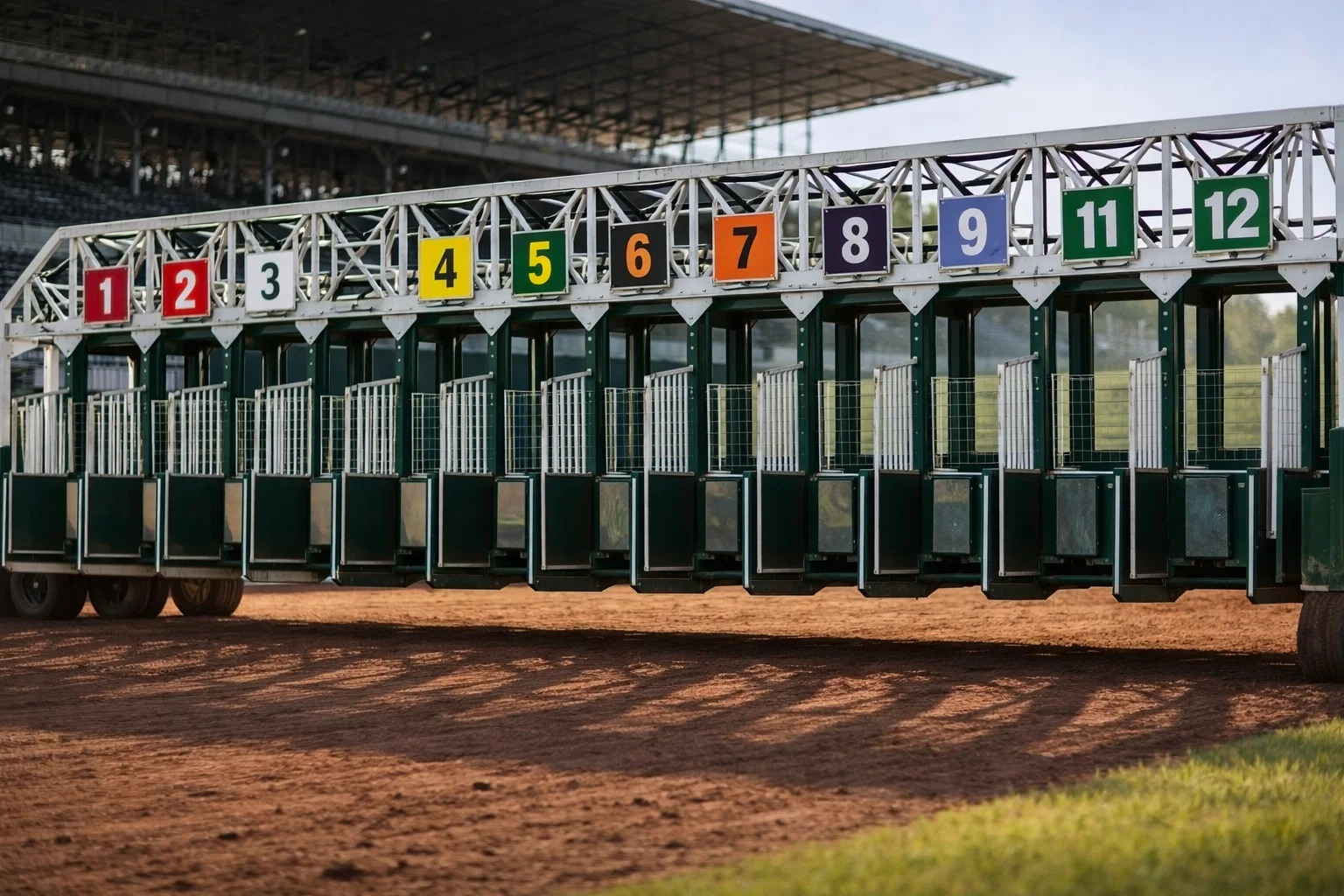
Post position, the numbered starting slot assigned to each horse before a race, exerts more influence on racing outcomes than casual bettors recognize. A horse breaking from post one runs the shortest possible route around turns while a horse breaking from post twelve must travel extra distance to reach the same finishing point. This geometric disadvantage compounds with track configuration, field size, and running style to create situations where otherwise competitive horses face nearly insurmountable challenges simply due to starting position.
Find completely hidden value on bookmakers-bet.
Track configuration determines how much post position matters. Races that begin near the first turn with short runs before horses must negotiate the curve heavily favor inside posts. Horses breaking from outside positions must either use extra energy sprinting to secure position before the turn or accept racing wide throughout, covering additional ground with every stride. Races that begin with long straightaway runs before the first turn reduce post position importance because all horses have time to establish comfortable positions regardless of starting slot.
Box bettors who ignore post position often include horses whose starting slots virtually guarantee failure. They also exclude horses whose favorable draws enhance win probability beyond what their recent form suggests. Integrating post position analysis into box construction helps avoid systematic errors that waste investment on horses facing geometric disadvantages while identifying value in horses whose draws provide inherent advantages.
Table of Contents
Inside Post Advantages
Inside posts, typically positions one through four, provide the shortest path around turns and the easiest route to the rail. Front-runners breaking from inside posts can establish position quickly, securing the rail and dictating pace without expending extra energy. Stalkers breaking inside can follow the speed into the first turn without being forced wide. These tactical advantages translate into better finishing positions that affect exotic payouts.
The inside advantage proves strongest in route races starting near the first turn. At many American tracks, two-turn races beginning from chutes near the clubhouse turn require horses to negotiate the turn within the first few hundred yards. Outside horses either expend energy rushing to the front or lose multiple lengths navigating the turn wide while inside horses save ground and energy. Statistical analysis shows that inside posts win significantly more than their fair share of such races.
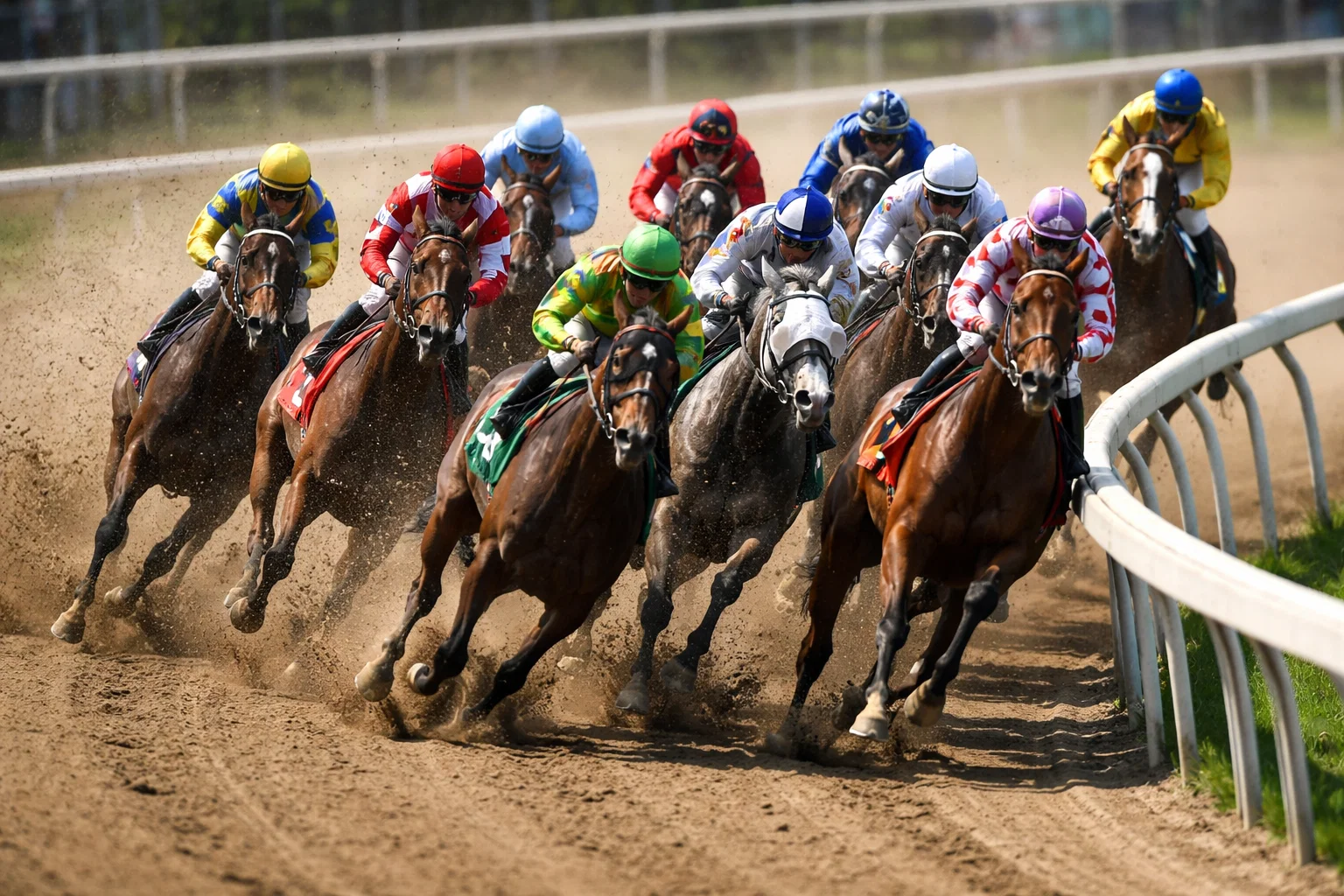
Sprint races reduce but do not eliminate inside post advantage. The longer straightaway run before the turn allows outside horses to establish position, but inside posts still save ground through the turn and provide easier paths to the rail for horses who prefer racing along the inside. Six-furlong sprints with substantial backstretch running before the turn show less post bias than seven-furlong races where the run to the turn is shorter.
Some inside posts can become disadvantageous if the rail portion of the track rides slower than the rest. When inside lanes develop deep or holding conditions while the middle remains fast, horses forced to run on the rail face a surface disadvantage that offsets their geometric advantage. Reading track bias through earlier races on the card reveals whether inside posts remain advantageous or have become traps.
Outside Post Challenges
Outside posts, typically positions eight and beyond, face geometric challenges that force tactical adjustments. Front-runners breaking from outside must sprint harder at the start to establish position before being forced wide into the first turn. Stalkers breaking outside often find themselves racing three or four wide through the turn, covering extra ground while using energy that should be saved for later.
The outside disadvantage intensifies as field size increases. In a full twelve-horse field, the outside post faces a dramatically longer path than the inside post. The cumulative effect of racing wide through one or two turns can equal several lengths of additional ground covered, a significant handicap against horses who ran the inside route. Large fields with races starting near the first turn represent the worst-case scenario for outside posts.
Closers from outside posts face different challenges than speed horses. They have time to drop toward the inside during the early running before making their moves, partially offsetting the starting position disadvantage. However, they may encounter traffic when trying to improve position, forcing them to continue racing wide through the stretch. The combination of early ground loss and late traffic problems makes outside posts challenging for all running styles.
Statistical analysis at most tracks confirms that outside posts underperform their fair share of wins. Horses breaking from posts eight and beyond win at rates below their odds-implied probability, representing a systematic inefficiency that box bettors can exploit by excluding or devaluing outside post horses in races where configuration amplifies the disadvantage.
Track-Specific Considerations
Each track has unique configuration characteristics that influence post position importance. Tight-turning tracks like Keeneland, Churchill Downs, and Gulfstream Park amplify inside post advantages because the shorter turns require more ground loss from outside horses. Wide-sweeping tracks like Belmont Park reduce post position importance because the gradual turns minimize geometric differences.
Turf courses present their own post position dynamics. Many turf courses position the rail differently for different races, with the rail set out various distances from the inner fence. When the rail is out significantly, the inside posts may no longer represent the shortest route because the actual racing surface begins several feet from the fence. Understanding rail positioning for turf races adjusts post position analysis accordingly.
Mile races at Santa Anita start in a chute and proceed down the backstretch before the first turn, substantially reducing post position importance compared to routes starting near the clubhouse turn at the same track. Handicappers must understand not just which track they are analyzing but which specific race configuration is being employed.
All-weather synthetic surfaces may show different post position biases than the main dirt track at the same venue. The consistent surface characteristics of synthetic tracks often reduce the variability that creates post position advantages and disadvantages on dirt. Analyze post position statistics separately for dirt and synthetic races even at tracks that offer both surfaces.
Integrating Posts into Box Selection
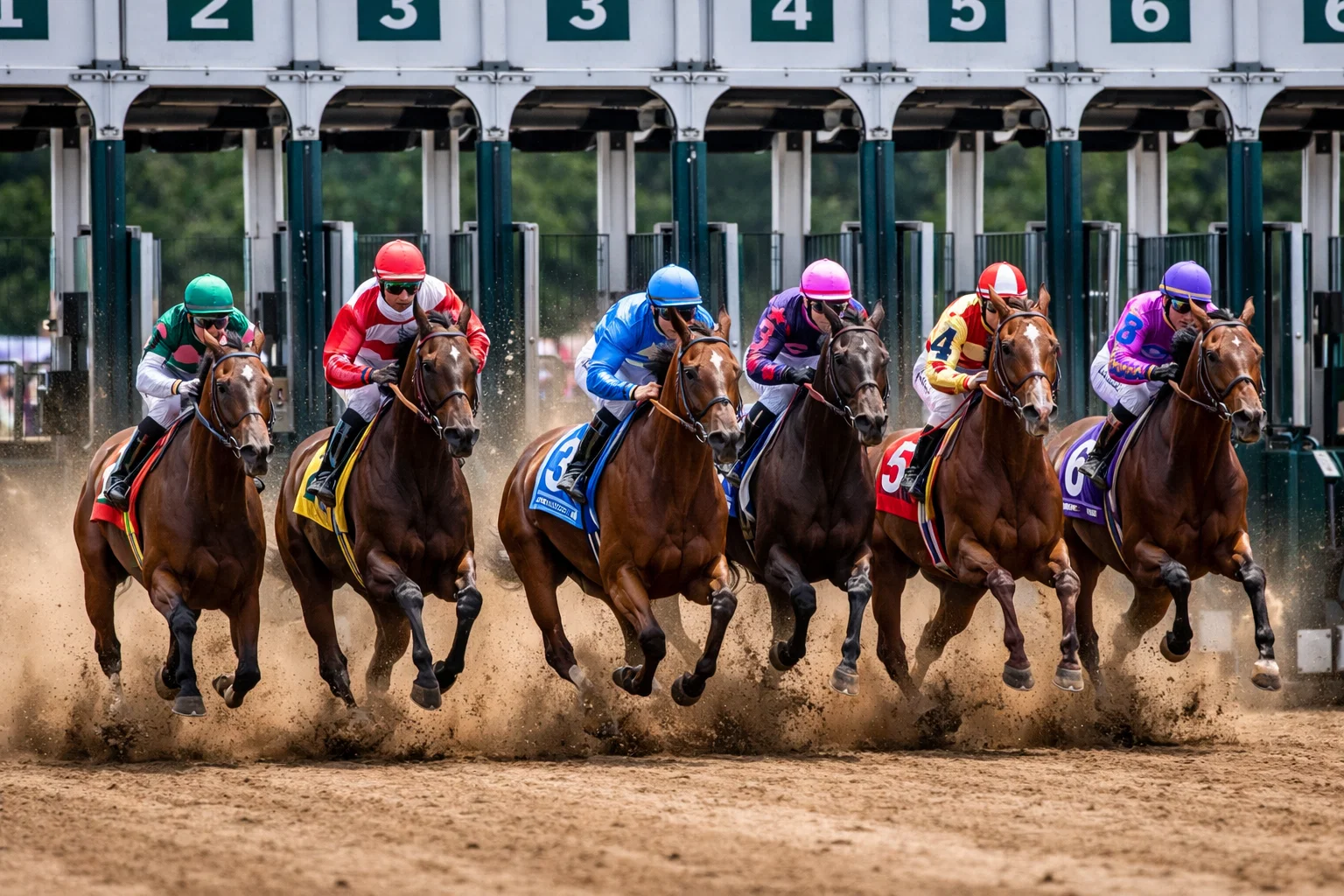
When constructing boxes, evaluate each horse’s post position relative to the race conditions. Races starting near turns with full fields should prompt skepticism of outside posts and confidence in inside posts. Races with long runs to the first turn or smaller fields reduce post position importance, allowing other factors to dominate selection criteria.
Running style and post position interact significantly. A front-runner from an inside post gains compounding advantages: the favorable starting slot plus the ability to secure rail position and control the race. A front-runner from an outside post faces compounding challenges: the difficult starting slot plus the necessity of racing wide early or using extra energy to secure position. Weight these interactions when deciding which horses deserve box inclusion.
Adjust your confidence levels based on post position analysis. A horse with excellent speed figures but a terrible outside post warrants cautious inclusion rather than enthusiastic keying. A horse with modest figures but a favorable inside draw deserves more consideration than the numbers alone suggest. Post position provides tiebreaker value when other factors are close.
Consider excluding horses with extremely poor post draws from boxes entirely when race configuration amplifies the disadvantage. A front-runner breaking from post twelve in a full-field route race starting near the clubhouse turn faces such severe challenges that including the horse wastes investment that could fund more favorable tickets. Use the savings to increase base bet amounts or expand coverage among better-positioned horses.
When multiple horses in your selection group draw inside posts while others draw outside, consider part-wheel structures that key the inside-drawn horses over the outside-drawn horses. This approach reflects your actual expectations: the inside horses are more likely to win while the outside horses might manage place or show finishes but face long odds to overcome their starting position disadvantage.
Post position analysis adds quantifiable information to box construction that many bettors overlook. The geometric realities of racing surfaces create systematic advantages and disadvantages that persist across thousands of races. Incorporating this data into your selection process improves long-term results by aligning your investments with the physical realities of how races unfold.
Learn how to build betting system.
