
Trip Handicapping for Box Betting
 Available in US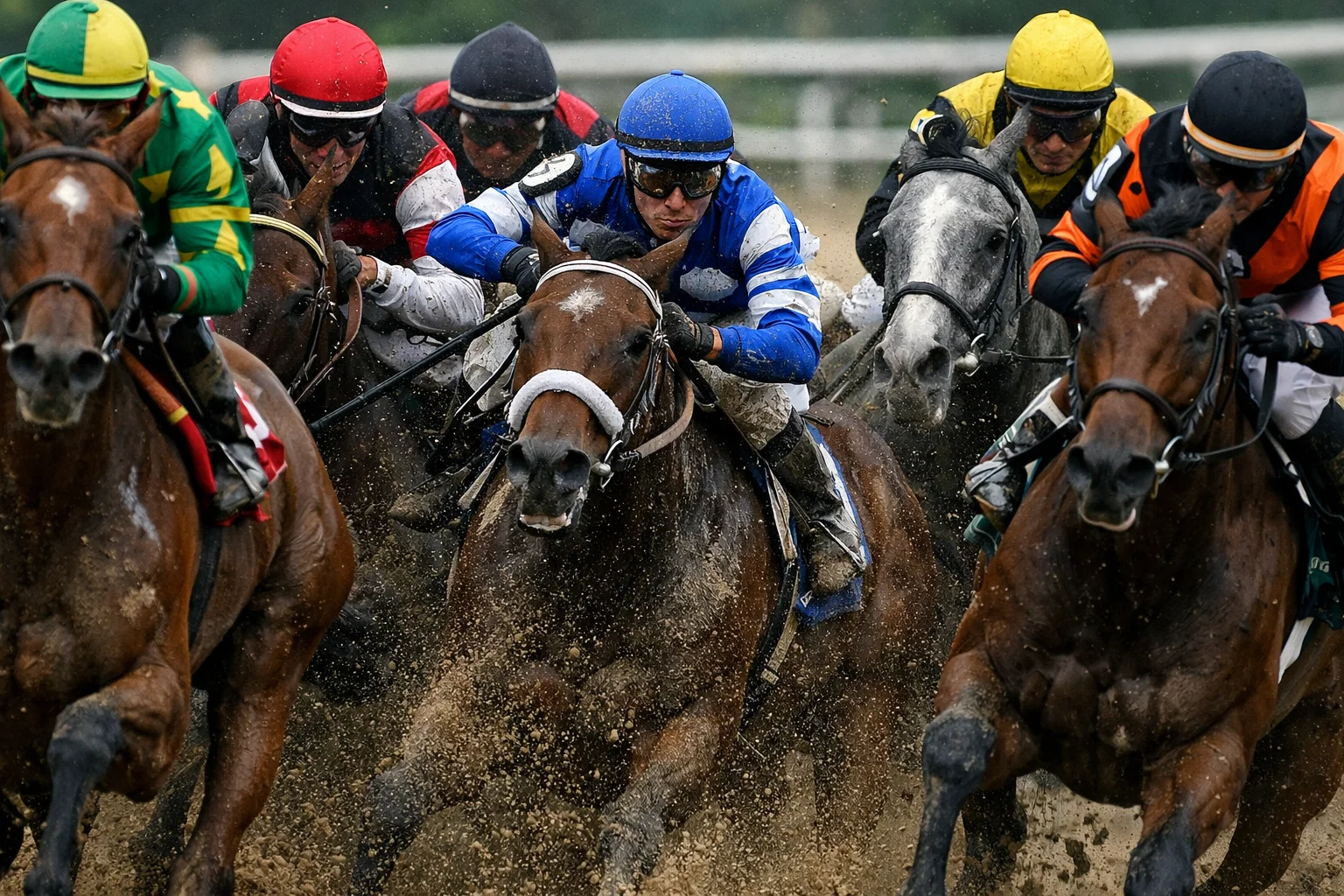
The finishing position tells you where a horse crossed the line but reveals nothing about the journey that produced that result. A horse finishing sixth might have encountered severe traffic problems that cost multiple lengths and positions. A horse finishing second might have enjoyed a perfect ground-saving trip where everything went right. Trip handicapping examines how each horse navigated its race, identifying which horses ran better than their results suggest and which horses benefited from circumstances unlikely to repeat. This information transforms box selection by revealing hidden contenders the public overlooks and exposing false favorites whose recent success depended on fortunate trips.
Build your solid success at bookmakers-bet.
Race replays provide the raw material for trip analysis. The past performance comment line offers abbreviated notes about troubled trips, but these summaries cannot capture the full complexity of what happened during a race. Comments like “steadied” or “wide” provide hints but lack the context that video review supplies. Did the steadying occur when the horse was full of run or already tiring? Was the wide trip three paths wide or six paths wide? Only watching the race answers these questions and informs the judgments that improve box selection.
Trip handicapping requires patience and systematic observation. Casual viewing misses the subtle moments that separate good trips from bad trips. The blocked horse whose momentum was interrupted. The horse that raced wide through both turns, covering extra ground invisible in the final time. The horse that enjoyed a dream trip along the rail with perfect position throughout. These details hide in plain sight for observers willing to watch carefully and record what they see.
Table of Contents
Identifying Troubled Trips
Troubled trips come in many forms, each affecting the horse differently. Gate problems represent the most obvious trouble, visible immediately as horses break from the starting gate. A horse that stumbles at the start loses lengths instantly and may never recover position. A horse that breaks outward forces the jockey to gather the horse and reestablish rhythm. These early problems compound throughout the race because the horse must then make up ground while racing against competitors who started cleanly.
Traffic problems during the race often prove more costly than gate issues. A horse making a move who suddenly finds no running room must either wait for space to open or angle out around traffic. Either option costs momentum, and momentum lost during a closing bid rarely returns. The horse that was about to make a winning move but had to steady appears in the results as a beaten horse, obscuring the genuine effort underneath the disappointing finish.
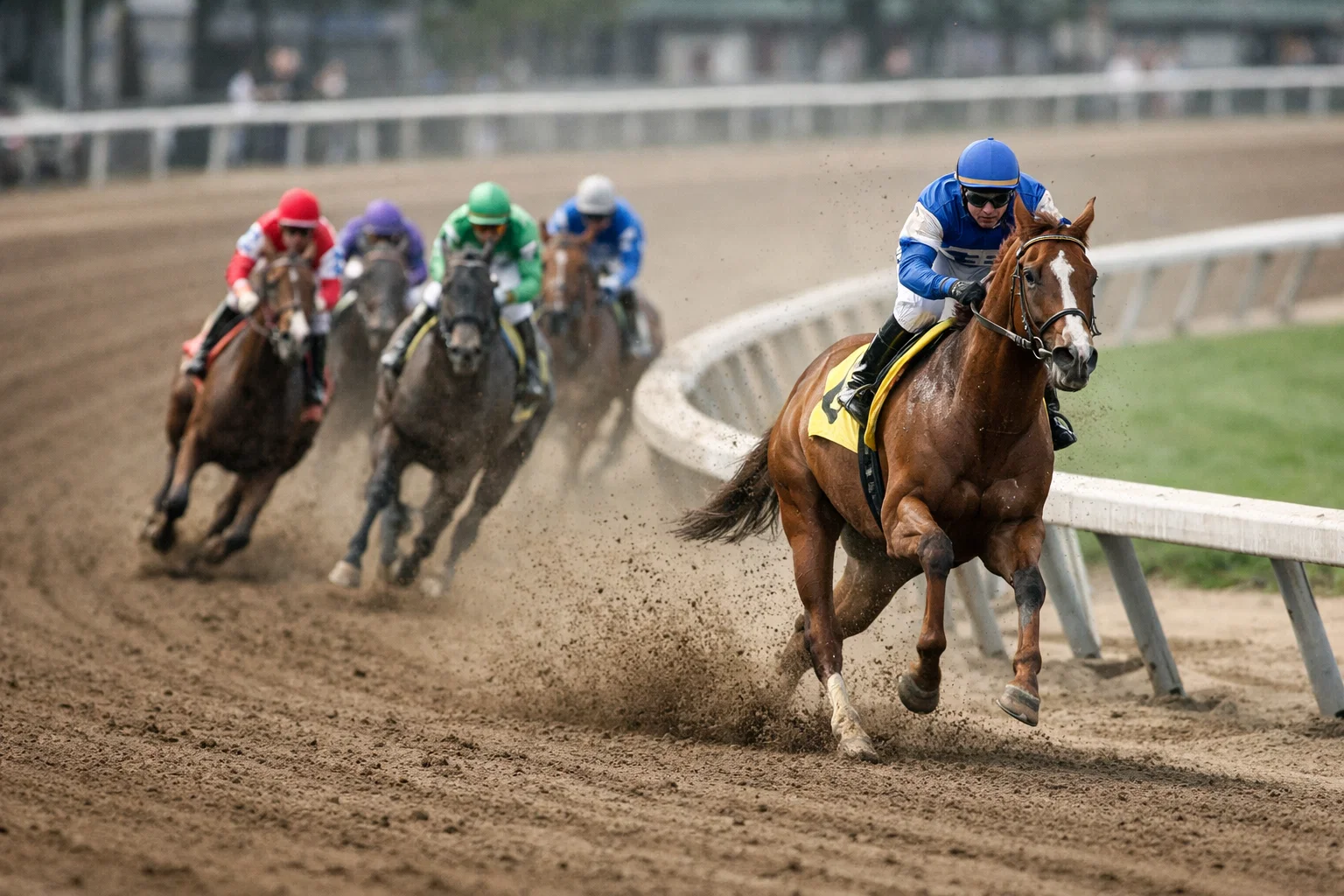
Wide trips generate ground loss that past performances cannot quantify. A horse racing three wide around a single turn might lose one length compared to a rail runner. A horse racing five wide around two turns might lose four or five lengths of actual ground covered. This extra distance requires extra energy expenditure, and the tired horse who fades in the stretch may simply have run farther than its competitors rather than run worse.
Pace-related trouble affects horses whose running styles depend on particular race dynamics. A closer who encountered a slow pace never had the opportunity to employ its preferred late run because there was nothing to run down. A front-runner who faced unexpected early pressure from multiple challengers may have exhausted itself defending the lead rather than controlling the race at a comfortable tempo. These horses did not fail due to lack of ability but due to race shapes that neutralized their advantages.
Recognizing Good Trips
Just as troubled trips hide ability, perfect trips can flatter horses whose results exceed their true talent. The horse that saved ground along the rail throughout, found an opening at the perfect moment, and drove clear in the stretch may have benefited from circumstances as much as ability. When that horse faces a similar field from a wider post position with less favorable positioning, the result may differ substantially.
Lone speed horses often enjoy trip advantages invisible in the results. When a front-runner faces no early pressure, it can conserve energy during relaxed fractions and have reserves remaining for the stretch. The same horse facing multiple speed rivals might exhaust itself defending the lead and fade when challenged. Identifying whether a front-runner’s victory came against soft pace competition informs whether to expect similar results against different pace scenarios.
Track bias can provide trip advantages that determine finishing order. On days when the rail runs faster than the middle, horses who secured inside position enjoyed built-in advantages regardless of ability. Their victories or close finishes reflected surface conditions more than comparative talent. When conditions change or these horses race at different venues, the bias advantage disappears and results may regress toward their true ability level.
Horses who benefited from perfect trips often become overbet in their next start. The public sees the impressive finish without understanding the favorable circumstances that produced it. Including these horses in boxes without adjusting for trip advantages wastes investment on horses whose true ability falls below what their recent results suggest.
Applying Trip Analysis to Box Selection
Trip analysis identifies two categories of horses that improve box construction: hidden contenders who deserve inclusion despite poor recent results and false favorites who deserve exclusion or devaluation despite strong recent results. Both adjustments generate value by aligning your boxes with actual ability rather than raw finishing positions.
Hidden contenders emerge from troubled trip analysis. The horse that finished sixth after a blocked stretch run, the horse that finished fourth after racing six wide throughout, the horse that finished fifth after stumbling at the start and losing all early position. These horses’ form looks mediocre in past performances but may represent genuine talent obscured by racing luck. Including them in boxes captures value when they run back at odds reflecting their troubled trips rather than their actual ability.
False favorites appear when trip analysis reveals that recent success depended on favorable circumstances. The horse whose last two wins came with perfect inside trips against soft pace competition. The horse that benefited from a strong rail bias that has since disappeared. The horse that faced compromised competition where the best rivals encountered their own trip problems. These horses will attract public money based on recent results but may disappoint when circumstances fail to align so favorably.
Part-wheel structures benefit from trip analysis. When you identify a hidden contender based on trip work, consider keying that horse in positions where trip excuses no longer apply. When you identify a false favorite, consider using that horse underneath rather than on top, acknowledging that while the horse retains some ability, expectations should be tempered by understanding how much the recent results were trip-enhanced.
Developing Trip Handicapping Skills

Trip handicapping skill develops through systematic replay review. Watch races with intention, looking specifically for trouble and advantages rather than passively viewing. Pause and rewind when you spot something significant. Take notes documenting what you observed for future reference when these horses reappear.
Focus on key moments during race review. The start reveals gate problems and early positioning battles. The first turn shows which horses secured favorable position and which were forced wide. The backstretch displays how pace developed and whether any horses encountered traffic while trying to improve position. The final turn often determines the race outcome as horses jockey for running room entering the stretch. The stretch run reveals which horses had clear paths and which were blocked or checked.
Compare your observations to published trip notes and comment lines. When your observations differ from published comments, you have discovered information that most bettors do not have. This informational edge translates directly into betting value when horses you identified as having hidden talent or hidden weakness run again.
Maintain a notebook or database of horses with significant trip notes. When these horses appear in upcoming races, you can retrieve your observations and adjust your box construction accordingly. The horse you noted as having a troubled trip three weeks ago may now offer value in a race where the public has forgotten or never knew about that troubled effort.
Start with this clear exacta box guide.
Trip handicapping adds a qualitative dimension to box betting that complements quantitative factors like speed figures and pace analysis. The combination of numerical ratings with trip context produces more accurate assessments of each horse’s genuine ability and more profitable box constructions over time.
