
Synthetic Surface Racing and Box Selection
 Available in US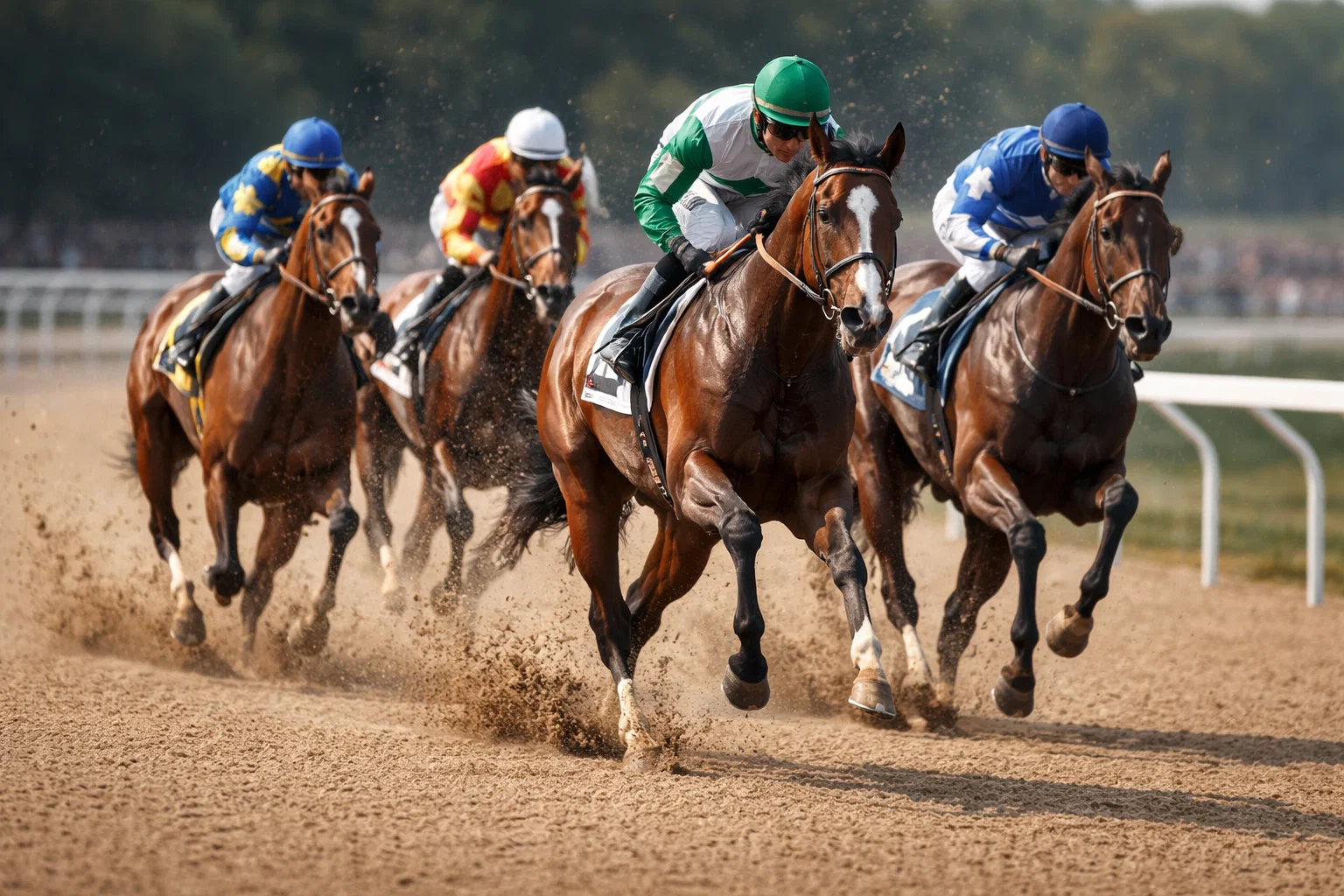
Synthetic surfaces introduced a third major racing environment alongside traditional dirt and turf, creating new handicapping challenges and opportunities. These manufactured tracks, composed of materials like sand, fibers, rubber, and wax, were designed to provide consistent footing regardless of weather conditions. Tracks using synthetic surfaces in North America include Turfway Park, Gulfstream Park, Woodbine, Presque Isle Downs, and Golden Gate Fields, each offering regular racing over these all-weather surfaces. Box bettors encountering synthetic races must understand how these surfaces differ from dirt and turf to construct accurate exotic tickets.
Start winning very actively at bookmakers-bet.
The two primary synthetic surface types in current North American use are Tapeta and Polytrack. Tapeta, developed by former trainer Michael Dickinson, combines sand, rubber, and fibers coated with wax to create a surface praised for consistent drainage and shock absorption. Polytrack uses silica sand mixed with recycled carpet fibers, spandex, and rubber. While both surfaces share all-weather qualities, they play differently enough that horses with form on one synthetic type may not automatically transfer that form to another.
Synthetic surfaces generate fewer cancellations due to weather because they drain efficiently and maintain consistent properties through rain and cold. This reliability attracts racing during winter months when weather disrupts natural surface racing at northern tracks. Turfway Park’s winter meet features synthetic racing when dirt tracks in the region might be frozen or waterlogged. This year-round availability creates handicapping situations where horses with limited synthetic experience face unfamiliar conditions.
Table of Contents
Surface Characteristics
Synthetic surfaces generally favor horses with turf form more strongly than horses with exclusive dirt form, though this relationship varies by specific surface and track. The cushioned, forgiving nature of synthetic materials resembles the give of grass more than the firmness of conventional dirt. Horses that struggle on dirt but excel on turf often adapt well to synthetic surfaces, making turf form a positive indicator when handicapping synthetic races.
Pace dynamics on synthetic tracks tend to fall between dirt and turf characteristics. Dirt racing typically favors early speed most strongly, with front-runners enjoying significant tactical advantages. Turf racing often favors closers who can unleash sustained late runs. Synthetic racing occupies middle ground, with pace advantages less pronounced than on dirt but more relevant than on turf. Project pace scenarios for synthetic races with this intermediate dynamic in mind.
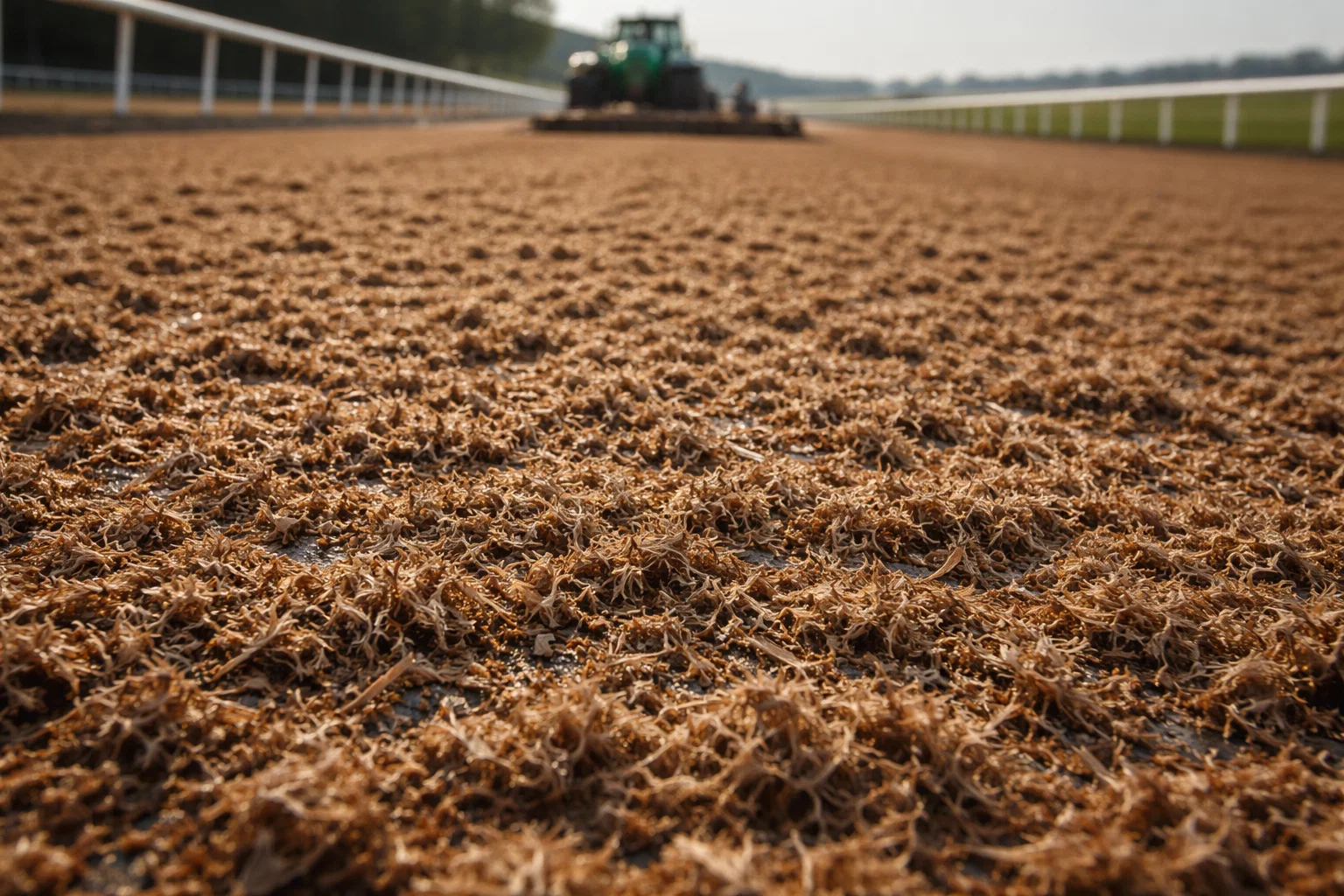
Temperature affects synthetic surfaces in ways that dirt and turf do not experience. Warm temperatures can cause wax components to soften, making the surface deeper and more demanding. Cold temperatures contract the surface, creating firmer footing that benefits front-runners. Gulfstream Park’s Tapeta track plays noticeably differently between hot summer days and cool winter mornings. Factor temperature into synthetic handicapping, particularly at tracks where temperature fluctuations are common.
Learn carefully about betting in rain.
Track configuration interacts with synthetic surface properties to create venue-specific biases. Tight turns at some synthetic tracks may favor inside posts more strongly than similar configurations on dirt. Longer straightaways may allow closers more opportunity to deploy their late speed. Learn the particular characteristics of each synthetic track you handicap rather than applying generic synthetic assumptions.
Evaluating Synthetic Form
Horses with established synthetic records provide the clearest handicapping foundation. Past performances display synthetic results with an “A” designation, distinguishing them from dirt and turf races. Examine each horse’s synthetic-specific record, noting win percentage, earnings, and speed figures achieved on the surface. Some horses dramatically improve on synthetic compared to their dirt form; others show the reverse pattern.
First-time synthetic runners present uncertainty that pedigree and running style analysis can partially resolve. Horses with turf breeding and turf success often transition well to synthetic surfaces. Horses with grass pedigrees who have never tried turf may find synthetic a comfortable alternative. Front-runners built for dirt may struggle on synthetic surfaces that favor sustained speed over explosive early quickness.
Workouts over synthetic surfaces provide insight into horses trying the surface for the first time. Major synthetic venues offer morning training hours where horses can drill over the surface before racing on it. A horse whose workout tab shows several synthetic works, particularly works showing improvement or competitive times, demonstrates adaptation to the surface. A horse with no synthetic works is entering the race without practice on the specific footing.
Trainer patterns for synthetic racing reveal which conditioners successfully prepare horses for all-weather surfaces. Some trainers specialize in synthetic racing, achieving win percentages and return on investment that substantially exceed their overall statistics. Other trainers struggle on synthetic despite success on dirt or turf. Research trainer statistics specifically for synthetic races to identify those whose synthetic runners deserve box inclusion and those whose synthetic starters warrant skepticism.
Surface Transitions
Horses moving between surfaces require careful evaluation of which direction the transition favors. Dirt-to-synthetic transitions often challenge horses whose success depends on early speed because synthetic surfaces may not support the same explosive breaks. Turf-to-synthetic transitions tend to be more favorable because the surfaces share characteristics that reward similar running styles.
Synthetic-to-dirt transitions can produce dramatic improvement when horses whose true abilities were masked by synthetic limitations return to their preferred surface. A horse showing mediocre synthetic form but strong prior dirt form may rebound sharply when returning to conventional dirt. Include such horses in boxes when they switch back to dirt after struggling on synthetic.
Off-turf races transferred to synthetic surfaces create immediate handicapping adjustments. When rain forces a turf race onto synthetic rather than dirt, the field dynamics change entirely. Turf specialists may handle the surface change better than their dirt-bred opponents who entered expecting grass. Monitor weather conditions and potential surface changes when constructing boxes for turf races that might be moved.
Horses shipping from tracks with different surface types may need time to adjust. A horse whose entire career has been on conventional dirt at Kentucky tracks may struggle initially when racing on Tapeta at Turfway Park. The unfamiliar feel of synthetic footing can disrupt stride patterns and comfort levels. Consider surface adjustment when evaluating horses making their first start at a synthetic venue.
Pool Considerations
Synthetic racing often attracts smaller pools than major dirt racing at prominent tracks because all-weather venues tend to be regional rather than national attractions. Turfway Park’s winter meet generates active betting interest but cannot match the pools of summer Saratoga or fall Keeneland. These smaller pools affect exotic betting by reducing liquidity and increasing the impact of individual wagers on odds and payouts.
Adjust your bet sizes for synthetic racing based on pool conditions. The same dollar investment that represents a small percentage of a major dirt track’s trifecta pool might constitute a significant percentage of a smaller synthetic pool. Excessive betting into thin pools distorts prices and reduces value on your own tickets.
Public awareness of synthetic surface factors varies substantially. Casual bettors who play major dirt meets may have limited knowledge of synthetic-specific handicapping when occasionally wagering on Turfway or Presque Isle. This knowledge gap can create value for bettors who understand how synthetic surfaces affect form, pace, and pedigree factors. Your synthetic expertise becomes an edge when competing against bettors unfamiliar with all-weather racing dynamics.
Synthetic racing embedded in multi-track wager sequences can provide upset opportunities. When a Pick 4 sequence includes a synthetic race among dirt or turf races from other tracks, the synthetic leg may produce results that eliminate many tickets. Box bettors who correctly identify synthetic contenders gain advantages in these cross-track sequences.
Practical Application
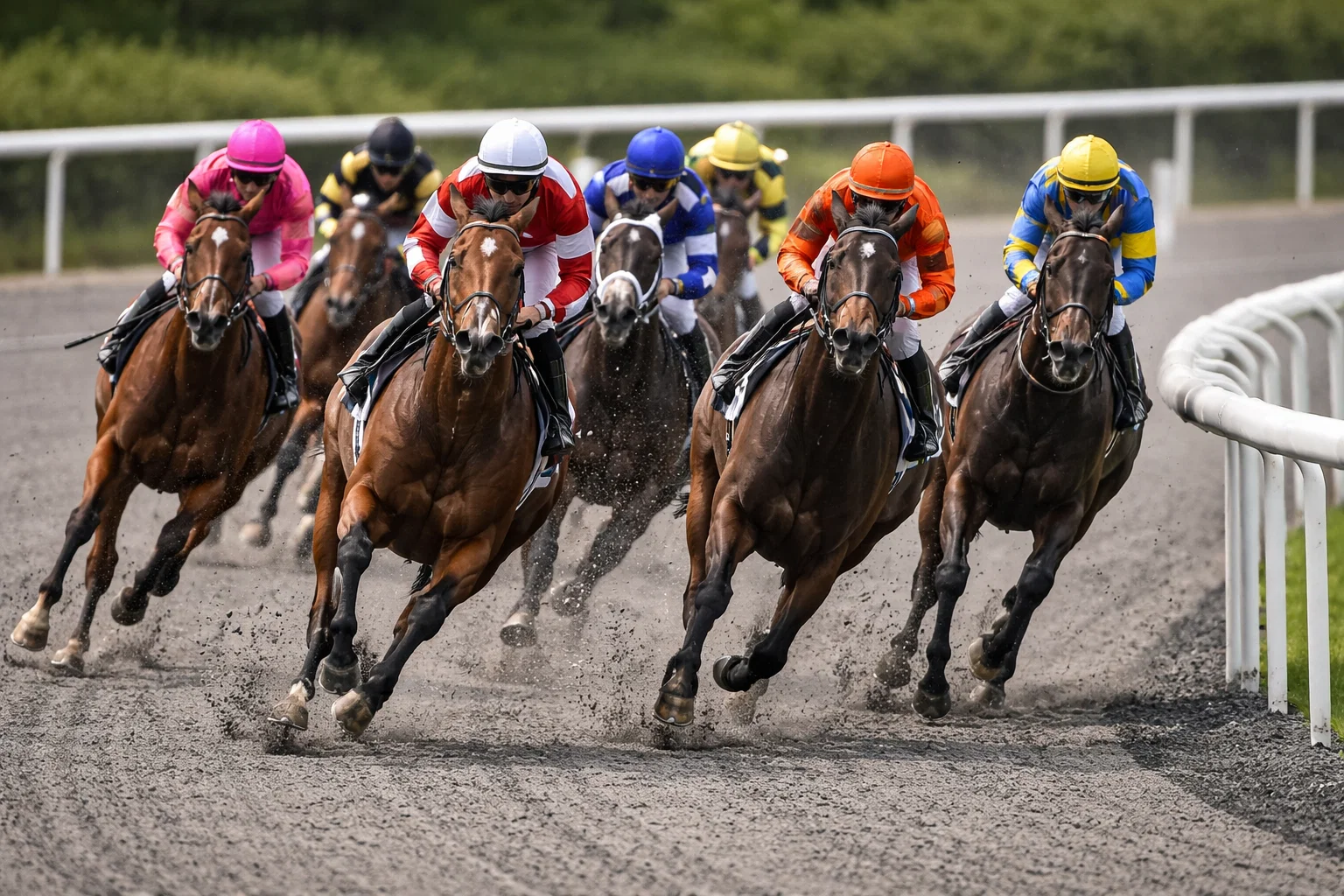
When handicapping synthetic races, begin by identifying each horse’s surface history. Separate confirmed synthetic performers from horses trying the surface for the first time. Weight established synthetic form heavily because horses have demonstrated their ability on the specific surface type. Treat first-time synthetic runners as uncertainties requiring additional factors to justify inclusion.
Apply pace analysis with the understanding that synthetic surfaces moderate pace advantages compared to dirt. Front-runners retain some tactical edge but may face more successful closers than they would on conventional dirt. Stalkers who can adapt their tactics based on pace developments may have advantages over one-dimensional types.
Consider weather and temperature when the synthetic surface might be affected. Warm conditions that soften the track favor horses with stamina and late pace. Cold conditions that firm the track favor horses with early speed. Check temperature forecasts and observe how earlier races on the card are unfolding to gauge current surface conditions.
Trust trainer patterns specifically for synthetic racing. Include horses from trainers with strong synthetic statistics in your boxes. Exclude or devalue horses from trainers who struggle on all-weather surfaces despite success elsewhere. Trainer adjustment to synthetic racing represents a meaningful edge that persists across racing seasons.
