
Pedigree Analysis for Box Selection
 Available in US
When a horse attempts something new, its past performances offer limited guidance. A first-time starter has no racing record to evaluate. A horse switching from dirt to turf has no grass form to analyze. A horse stretching out from sprints to routes has never raced the longer distance. In these situations, pedigree analysis provides insight that past performances cannot supply. The genetic inheritance from sire and dam influences surface preference, distance aptitude, and precocity in ways that inform box selection when race experience is unavailable or inapplicable.
Stay deeply focused analyzing with bookmakers-bet.
Pedigree handicapping examines the first two generations of ancestry because closer relatives exert the strongest genetic influence. The sire, dam, and damsire represent the primary genetic contributors whose racing careers and offspring patterns reveal what the horse in question might accomplish under specific conditions. Looking back four or five generations adds complexity without proportional value because those distant ancestors have already passed their influence through the intervening generations.
For exotic betting, pedigree analysis helps identify which horses to include when surface changes, distance changes, or debut races create uncertainty that pure form analysis cannot resolve. The horse switching to turf whose sire produces 15% grass winners deserves more box consideration than the horse whose sire produces only 6% turf winners. This breeding-based edge appears most clearly in maiden races and surface switches where other handicapping factors provide less differentiation.
Table of Contents
Sire Influence
Stallions produce hundreds of foals over their breeding careers, generating substantial data about what their offspring typically accomplish. Average winning distance statistics reveal whether a sire tends to produce sprinters, routers, or versatile runners. Turf winning percentages show whether progeny handle grass effectively. First-time starter success rates indicate whether a sire’s foals tend toward precocity or require seasoning before competing effectively.
Past performances typically display sire statistics relevant to race conditions. For turf races, you will see the sire’s percentage of winners on grass. For dirt races involving first-time starters, you will see the percentage of debut winners the sire produces. These condensed statistics provide quick reference points that inform box construction without requiring deep pedigree research.
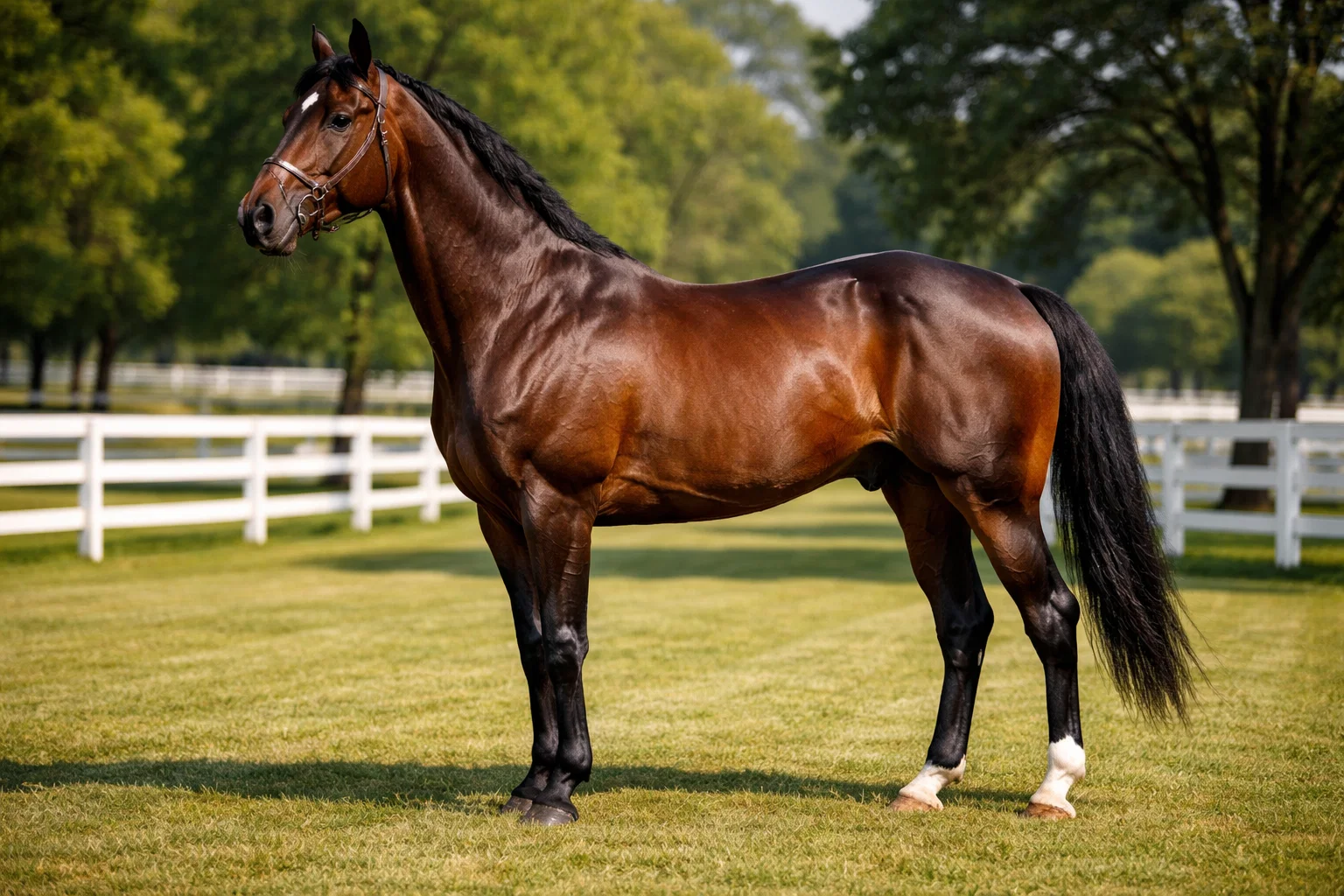
Some sires produce offspring with consistent characteristics. Their foals tend to look similar, run similar distances, and prefer similar surfaces. These prepotent sires stamp their progeny reliably, making pedigree analysis straightforward. Other sires produce varied offspring who differ substantially from each other, with some preferring dirt and others turf, some excelling in sprints and others in routes. For these less consistent sires, the dam’s influence becomes more important in predicting individual offspring tendencies.
The sire’s own racing career provides context but does not determine offspring tendencies. Some stallions who raced exclusively on dirt produce excellent turf runners because their pedigree contains hidden grass influences that emerge in their progeny. Lemon Drop Kid raced on dirt but became known for producing turf specialists because his own sire, Kingmambo, was an exceptional grass influence. These hidden surface affinities reveal themselves in sire statistics rather than in the sire’s own race record.
Dam and Female Family
The dam often exerts more influence on individual offspring than handicappers recognize. While sires attract attention because of their fame and the quantity of their offspring, each foal shares half its genetic material with its dam. The dam’s racing record, if she competed, reveals her own surface and distance preferences. Her previous offspring demonstrate what she tends to produce when bred to various stallions.
Examining the dam’s produce record identifies patterns that apply to today’s runner. If the dam’s previous foals all won their first or second start, the current foal likely possesses similar precocity. If the dam’s previous foals all required distance to succeed, the current foal may need routes despite potentially being by a sprint-oriented sire. The small sample size of a dam’s offspring can provide more specific information than the large aggregate statistics of a sire’s hundreds of foals.
When the dam did not race or had an unremarkable career, her siblings and dam provide substitute information. The second dam’s race record and produce record extend the analysis one generation further. Half-siblings by different sires reveal what the female family tends to produce regardless of which stallion serves as sire. A female family that consistently produces turf horses or route horses or precocious types provides genetic tendencies that influence the current runner.
The damsire, or maternal grandsire, represents another significant genetic contributor whose statistics appear in past performances. Some damsires reliably enhance turf ability or distance aptitude regardless of which sire their daughters are bred to. Broodmare sire statistics for turf, mud, and distance help identify whether the dam’s contribution favors certain conditions.
Surface Switches
Pedigree analysis proves most valuable when horses switch surfaces because past performances on the new surface do not exist. A horse moving from dirt to turf for the first time has accumulated dirt form that may not predict grass performance. Bettors must assess whether the horse possesses the genetic aptitude to handle turf despite having never raced on it.
Sire statistics for first-time turf starters indicate how often a stallion’s progeny succeed when trying grass initially. A sire whose first-time turf starters win at 12% or higher produces runners who adapt to grass effectively. A sire whose first-time turf starters win at only 5% produces runners who generally struggle on the new surface. Include horses by strong turf sires in your boxes when they switch to grass; exclude or devalue horses by weak turf sires making the same switch.
Hidden turf potential emerges when examining a sire’s own pedigree for grass influences. A dirt sire whose own sire or damsire was a noted turf influence may transmit that grass aptitude to offspring even though he raced on dirt himself. These hidden turf sires often produce runners who improve dramatically when switched to grass, providing betting value when the public underestimates their turf potential based on the sire’s own dirt career.
Mud breeding operates similarly. Some sires produce offspring who handle wet tracks exceptionally well regardless of whether the sire himself excelled in slop. Sire statistics for wet track winners identify which stallions transmit off-track aptitude. When rain affects the track, include horses by strong mud sires in your boxes and exclude horses by sires whose offspring struggle on wet surfaces.
Distance Changes
Pedigree analysis helps assess horses stretching out in distance for the first time. The average winning distance statistic for sires indicates what distances their progeny typically handle. A sire with an average winning distance of 6.5 furlongs produces sprinters. A sire with an average winning distance of 8.5 furlongs produces horses who handle classic distances. A sire with an average winning distance over 9 furlongs produces stamina-oriented runners.
When a sprinter stretches out to two turns for the first time, sire statistics inform whether the breeding supports the distance increase. If the sire produces primarily sprint winners, the stretch-out horse may struggle with the added distance. If the sire produces versatile winners across various distances, the stretch-out horse has genetic support for handling routes.
The dam’s race record and produce record supplement sire analysis for distance questions. A dam who won at route distances or whose offspring have succeeded in routes suggests the current runner may handle distance despite being by a sprint-oriented sire. The combination of sire and dam influences determines individual aptitude more accurately than either side alone.
Maiden and Debut Races
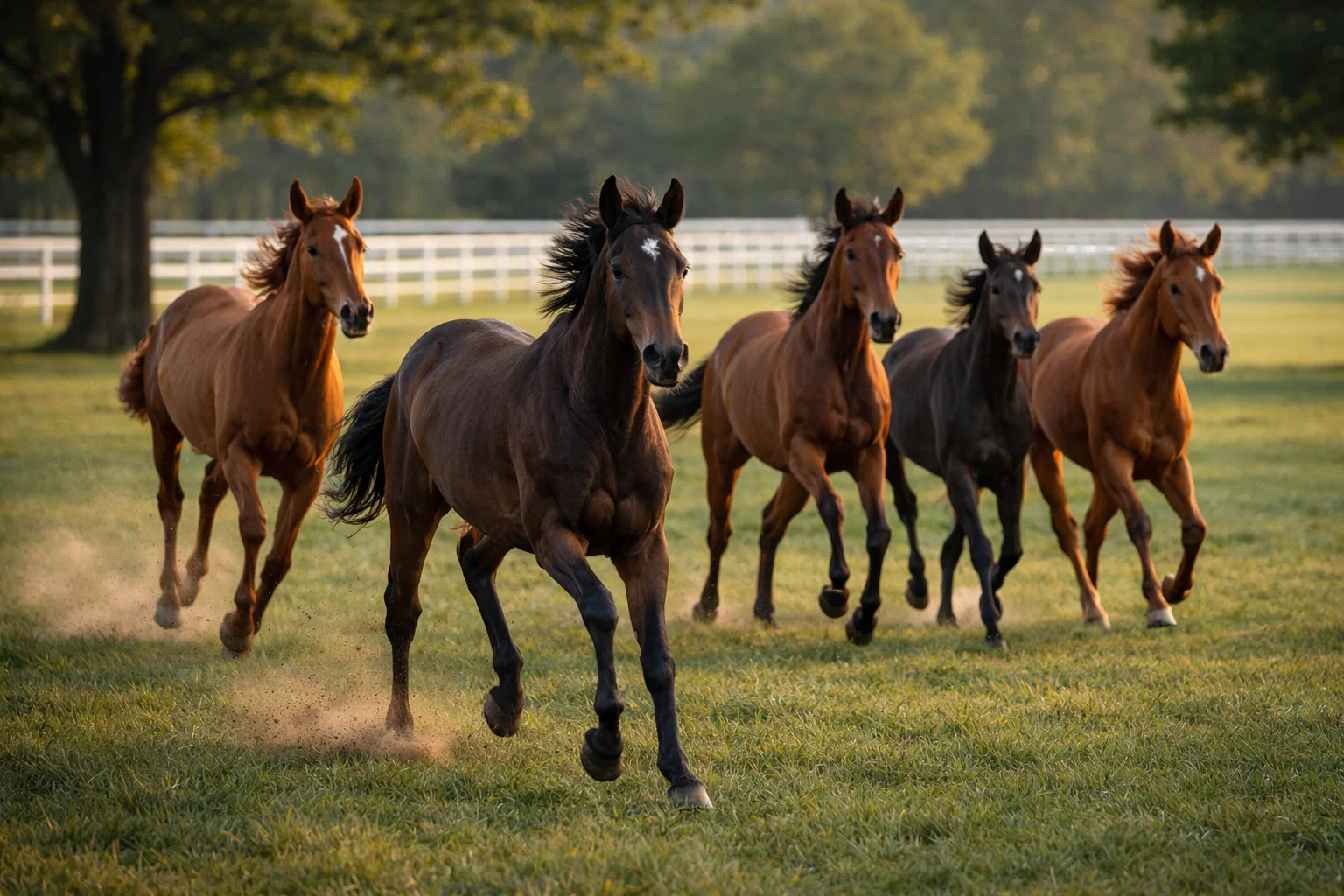
First-time starters present the ultimate challenge for form analysis because no race record exists. Pedigree becomes a primary evaluation tool alongside trainer statistics and workout patterns. Sire statistics for first-time starter success rates identify which stallions produce precocious runners ready to compete immediately and which produce horses who typically require racing experience.
A sire who wins with 15% or more of his first-time starters produces runners worth including in boxes when making their debuts. These horses come from bloodlines that mature quickly and compete effectively despite inexperience. A sire who wins with only 5% of his first-time starters produces runners who typically need a race or two before finding their best form.
The dam’s produce record for debut performance adds specificity. If the dam’s previous foals all won or finished close in their first starts, the pattern suggests the current foal may display similar early ability. If the dam’s previous foals all needed multiple races to break their maidens, expect the current runner to need experience as well, reducing box worthiness in the debut.
Combining sire and dam analysis creates a more complete picture than either alone. A horse by a precocious sire out of a dam whose foals all won first out represents a strong debut candidate. A horse by a slow-developing sire out of a dam whose foals all required multiple starts represents a likely beaten runner in the debut. Use these pedigree-based assessments to include or exclude first-time starters from exotic boxes.
Read the massive ultimate box guide.
