
Live Odds and Tote Board Analysis
 Available in US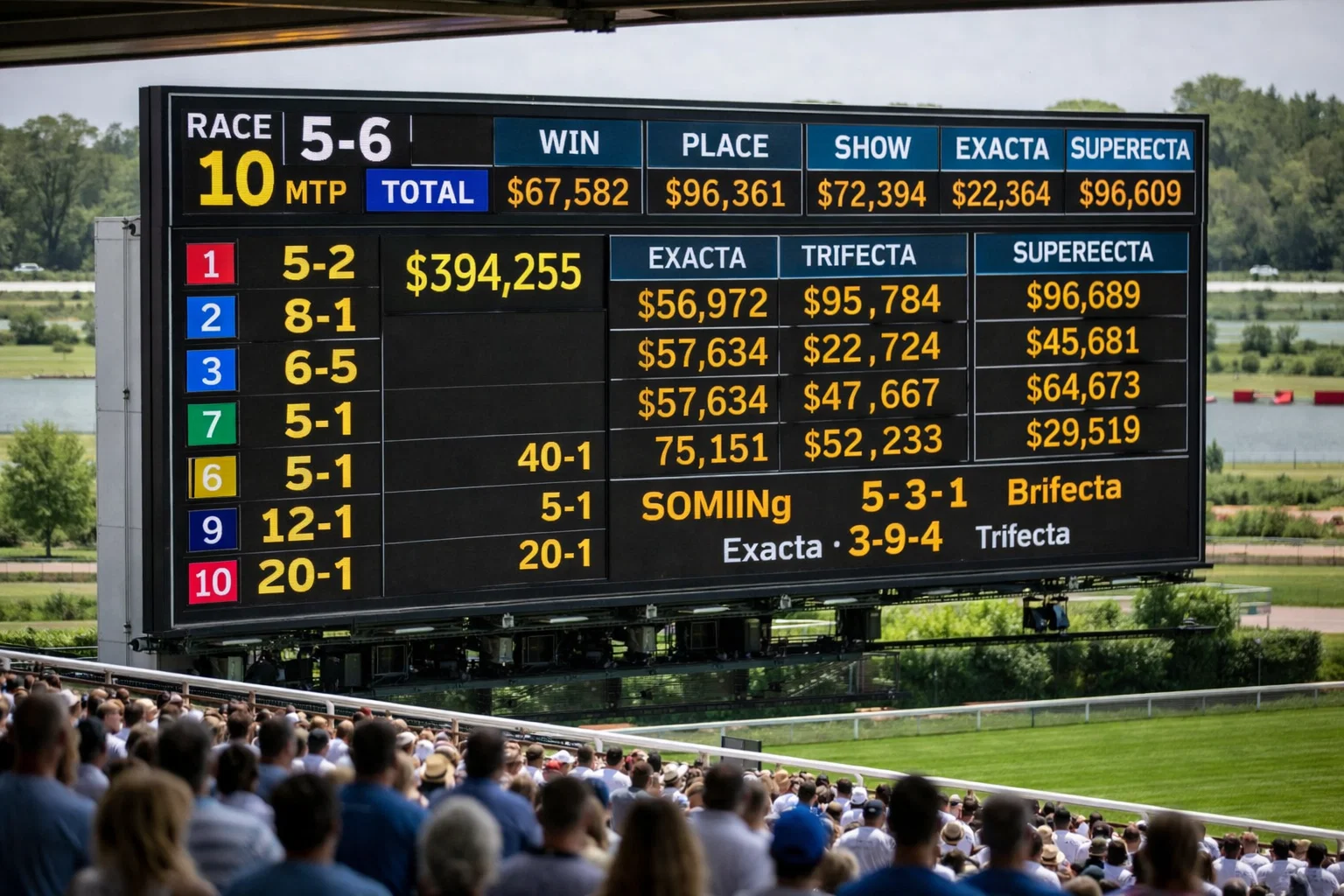
The tote board displays real-time information about how money flows into each betting pool, revealing collective market opinion that updates continuously until post time. Odds change throughout the betting period as gamblers place wagers expressing their views on each horse’s chances. Watching these movements provides insight into which horses attract support and which are being dismissed, information that can refine box selections made during pre-race handicapping. The tote board also displays pool sizes that affect exotic payoff potential and probable payouts that preview expected returns.
Professional handicappers always prefer using bookmakers-bet.
Tote board analysis does not replace fundamental handicapping but adds another data source to the decision process. Sharp money from sophisticated bettors often moves odds in ways that reveal information the public has not yet recognized. Public money from casual bettors can create overbet favorites whose poor value justifies exclusion from boxes. Understanding how different types of money affect odds helps box bettors identify opportunities and avoid traps.
The dynamic nature of odds means that the morning line, established before any money is wagered, often differs substantially from final odds at post time. A horse listed at 10-1 on the morning line might close at 4-1 after heavy betting support or drift to 20-1 after being ignored by the market. These movements communicate information that arrived after the morning line was set, including late changes in horse condition, trainer intentions revealed through betting patterns, and professional opinions expressed through wagers.
Table of Contents
Understanding Odds Movements
Odds drop when money flows into a horse’s win pool relative to the total pool. Heavy betting on a particular horse shrinks its odds while causing other horses’ odds to rise. Early odds often differ dramatically from final odds because the first dollars wagered can swing percentages significantly when pools are small. As post time approaches and pools grow, odds stabilize and reflect more reliable market consensus.
Sharp money moves odds efficiently because sophisticated bettors wager substantial amounts based on informed opinions. When a horse’s odds drop suddenly from 8-1 to 4-1 in the final minutes before post, sharp money likely entered the pool based on information or analysis that suggests the horse’s actual chances exceed what early odds implied. These late drops, sometimes called steam moves, often identify live horses the public has not yet recognized.
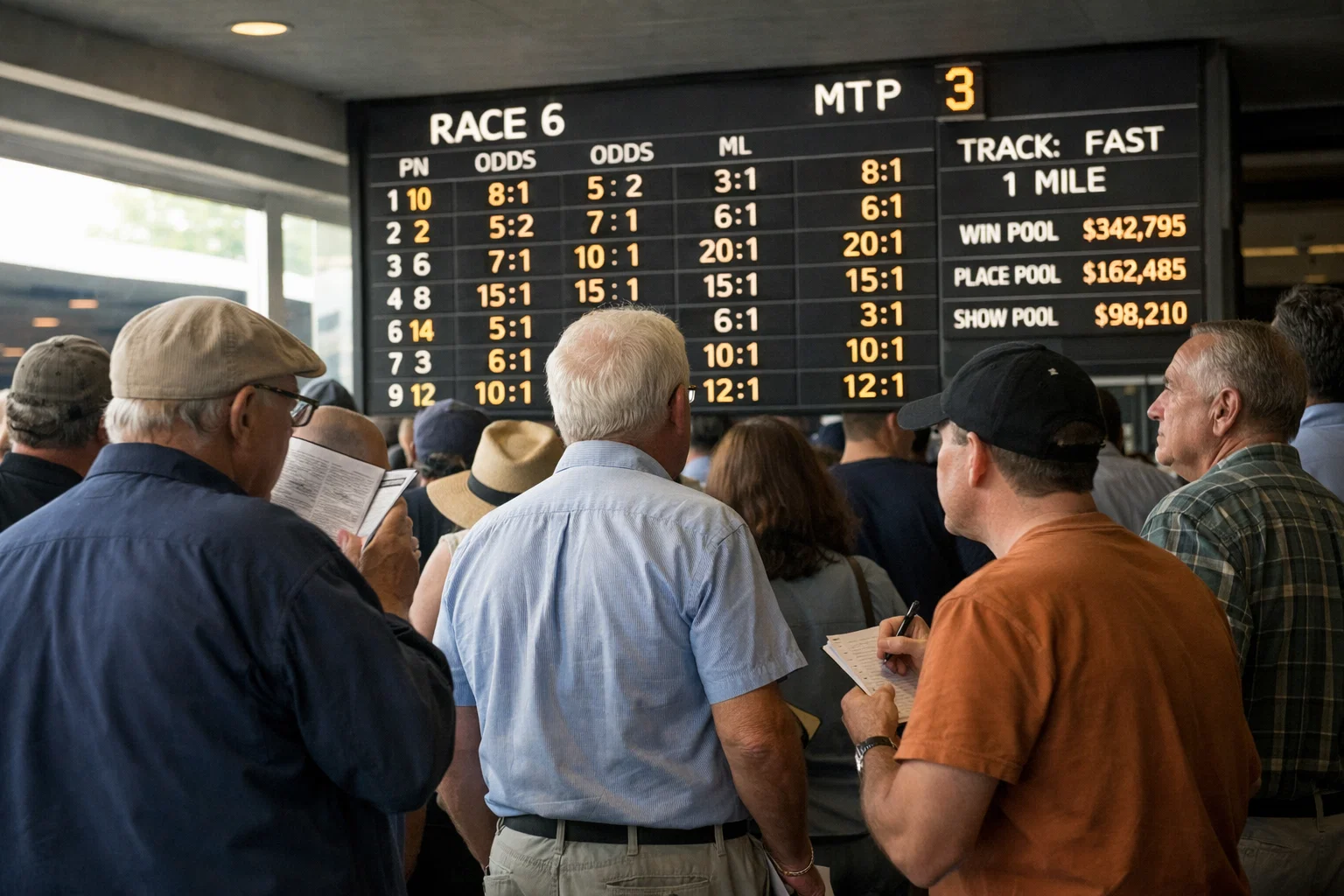
Public money tends to concentrate on favorites and horses with obvious appeal, such as recent winners, horses with familiar names, or horses with flashy workouts. This concentration can depress favorites’ odds below fair value, making them poor investments relative to their actual winning chances. Conversely, public neglect of certain horses can leave their odds higher than warranted, creating value for box bettors willing to include overlooked contenders.
Some odds movements reflect information rather than analysis. A horse whose odds plummet may be moving on inside information about improved condition, favorable race dynamics, or trainer intent to win. While bettors cannot always identify the source of such movements, recognizing that significant late money often has reasons behind it suggests respecting rather than dismissing dramatic odds changes.
Will-Pay Tables and Probable Payouts
For exotic wagers, probable payout displays show expected returns for various combinations based on current pool distribution. These will-pay tables update continuously, revealing how much each exacta, trifecta, or superfecta combination would pay if the race were run at that moment. Monitoring probable payouts helps box bettors identify overlay opportunities and avoid underlays.
An overlay exists when a combination’s probable payout exceeds what the horses’ actual chances justify. If your handicapping suggests two horses each have approximately 25% win chances, an exacta combining them should pay roughly 16-1 based on probability. If the will-pay table shows that combination paying 30-1, you have found an overlay worth betting. If it shows 8-1, you have found an underlay to avoid.
Pool distribution affects expected value differently for different combinations. Boxes including public favorites typically produce lower payouts because heavy public money on favorites depresses returns across all combinations involving those horses. Boxes featuring overlooked horses often produce larger payouts because lighter money on longshots leaves more pool money available for winning tickets.
Check will-pay tables before finalizing exotic tickets, especially for expensive trifecta and superfecta boxes. If the combinations you are playing show payouts that barely exceed your ticket cost, the expected return does not justify the investment. Restructure your ticket to emphasize combinations with better probable payouts or pass the race entirely if favorable combinations do not exist.
Pool Size Considerations
Total pool size affects exotic betting in several ways. Larger pools provide more stable odds and more reliable will-pay estimates because individual wagers have less impact on overall percentages. Smaller pools produce more volatile odds and will-pay estimates that can change dramatically with each new bet.
Major racing days at prominent tracks generate substantial exotic pools that accommodate significant investment without distorting odds. Weekend stakes races at Saratoga, Keeneland, or Del Mar often produce trifecta pools exceeding $500,000 and superfecta pools exceeding $100,000. These pools can absorb large bets while maintaining fair prices.
Smaller tracks on weekdays may generate exotic pools of $10,000 or less, where a single $500 trifecta ticket could visibly affect odds and payouts. Small pools create opportunity for strategic bettors to capture value but also create risk that heavy betting by others distorts payouts. Monitor pool size relative to your intended investment to ensure your bets do not represent such a large percentage of the pool that they affect your own payouts.
Carryover situations occur when mandatory exotic wagers like Pick 4s and Pick 6s go unhit, with the pool carrying forward to the next racing day. These accumulated pools attract increased betting interest and can produce extraordinary payouts when eventually hit. Enhanced pool size during carryover sequences increases expected value for all participants, making these situations attractive for box bettors willing to accept the difficulty of hitting multi-race wagers.
Timing Your Bets
When you place exotic wagers affects both price security and information availability. Early bets lock in current odds and payouts but prevent you from seeing late market movements that might inform your decisions. Late bets incorporate all available market information but risk missing post time if lines are long or betting systems are slow.
Most exotic bettors find a middle approach optimal. Place the core of your tickets early enough to ensure execution, but reserve a portion of your bankroll for late adjustments based on tote board movements. If a horse you excluded suddenly attracts heavy late money, you might add a supplementary ticket including that horse. If a horse you included drifts dramatically, you might reduce exposure to combinations featuring it.
Final flash odds, displayed just before the gate opens, represent the market’s ultimate assessment of each horse’s chances. These final odds often differ from odds displayed five or ten minutes before post because late money dramatically affects smaller pools. Compare your pre-race assessments to final flash odds to evaluate whether your handicapping aligned with market consensus or identified value the market missed.
Live odds also reveal which horses are being bet to place and show relative to win. A horse showing 6-1 to win but 2-1 to place attracts money from bettors who respect its chances to finish in the money without winning. This place-heavy betting pattern often identifies horses that belong in exotic boxes as underneath contenders rather than win keys.
Practical Application
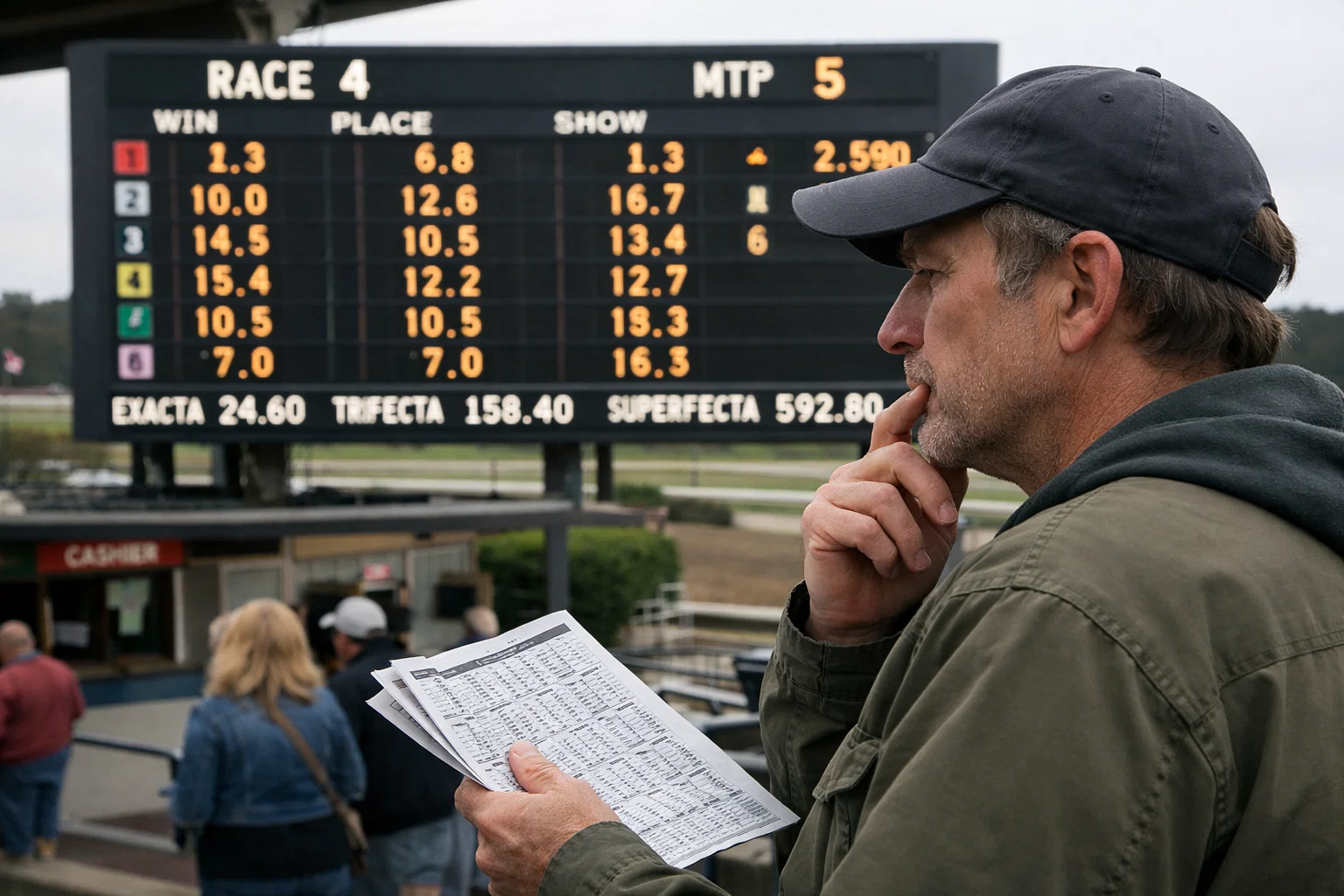
Integrate tote board analysis into your box betting process by checking odds movements and probable payouts in the final ten to fifteen minutes before post. Note which horses have attracted unexpected support, dropping from their morning line odds significantly. Note which horses have drifted, rising above their morning line as the market dismisses them.
Consider adding horses with late steam to your boxes even if your initial handicapping excluded them. The market may have information you lack, and the late movement suggests someone believes that horse can win. You do not have to key such horses on top, but including them in positions where they could complete an exotic pays insurance against being wrong about the horse’s chances.
Consider removing or devaluing horses whose odds drift substantially above morning line. Market dismissal often reflects legitimate concerns about the horse’s current condition or chances. While some drifters win at inflated odds, the market’s collective wisdom correctly identifies many weak horses that your initial handicapping might have overrated.
Check probable payouts for your planned combinations before betting. If the expected returns do not justify your investment, either restructure your tickets to emphasize better-paying combinations or reduce your overall investment in the race. The goal is positive expected value, and tote board analysis reveals whether your planned wagers achieve that goal at current prices.
Check some updated trifecta box costs.
