
Seasonal Patterns and the Racing Calendar
 Available in US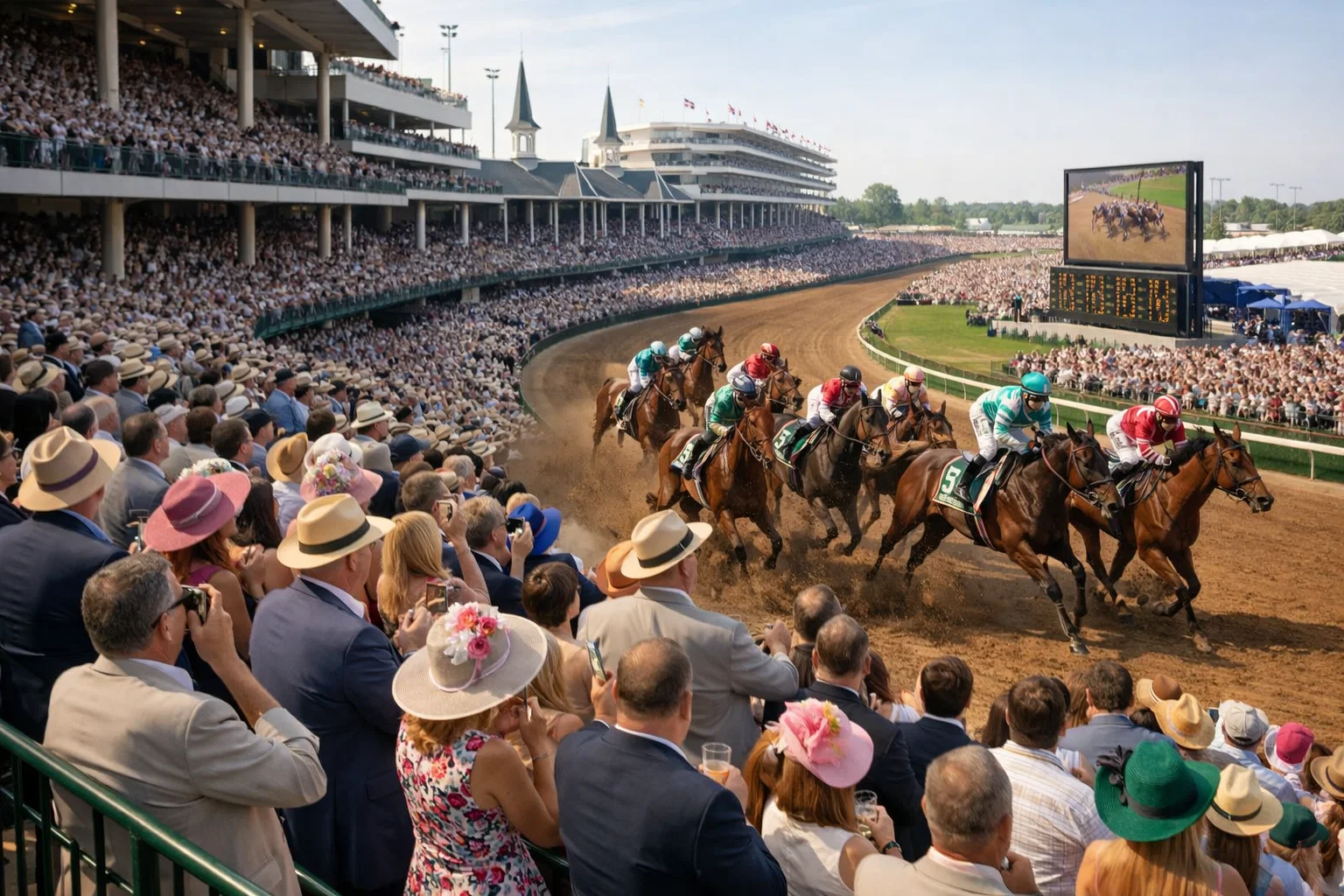
Horse racing follows predictable seasonal rhythms that affect competition quality, form reliability, and betting opportunities throughout the year. The racing calendar concentrates major events during specific periods, creating peaks of elite competition followed by valleys of routine racing. Understanding these patterns helps box bettors identify periods when exotic wagering offers enhanced value and periods when reduced pool sizes or compromised fields diminish opportunities.
The three-year-old class dominates spring through early summer as the Triple Crown series and supporting stakes showcase the newest crop of developing talent. Older horses typically return to competition during this period after winter layoffs, often needing races to regain peak fitness. Summer features full schedules across multiple circuits with horses approaching peak form. Fall brings championship-caliber races including the Breeders’ Cup, the sport’s annual championship. Winter sees reduced schedules concentrated at warm-weather venues where horses train through the cold months.
Each season presents distinct handicapping challenges and opportunities. Spring form can be unreliable as horses round into shape. Summer provides more stable form but also more competitive fields. Fall features horses at their best but also at their most heavily bet. Winter offers smaller fields with horses who may be undertrained or retreating from higher competition. Adjusting box strategies to seasonal realities improves long-term results.
Table of Contents
Spring Patterns
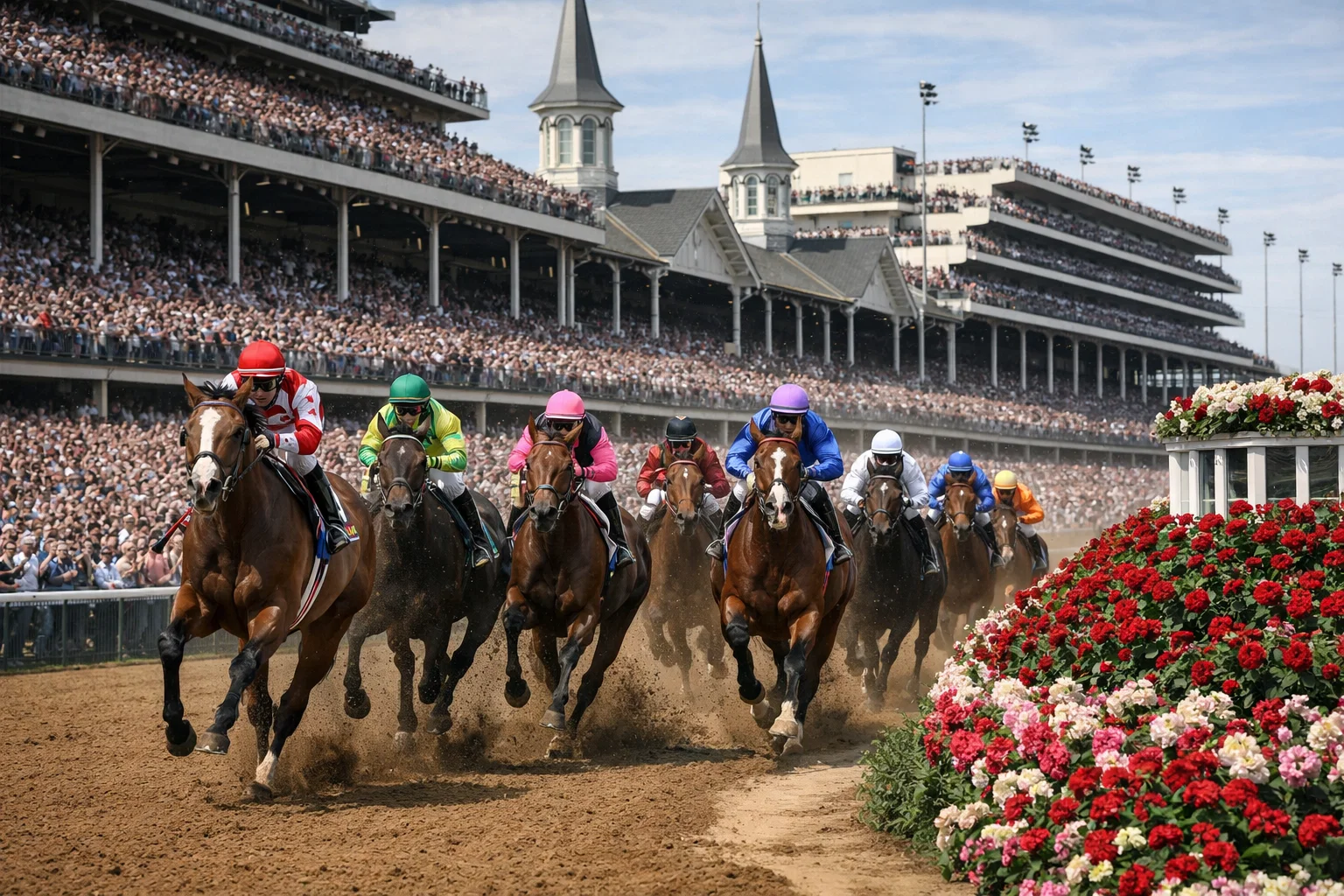
Spring racing features the three-year-old classics that dominate public attention while older horse racing resumes after winter breaks. The Kentucky Derby, Preakness, and Belmont Stakes attract enormous betting pools and national television audiences. Supporting stakes at major tracks showcase developing three-year-olds and returning older horses, creating competitive fields with uncertain form.
Three-year-olds in spring are rapidly developing athletes whose form can change dramatically from race to race. A horse that looked moderate in February may have matured into a genuine contender by April. Conversely, a horse that looked exceptional in early season races may have peaked prematurely and regressed by Derby time. This volatility creates opportunity for box bettors willing to challenge public favorites whose reputations exceed their current ability.
Older horses returning from winter layoffs often need one or two races to regain peak fitness. The first start back after a three or four-month absence rarely produces a horse’s best effort because cardiovascular conditioning requires competitive stress to reach optimal levels. Include freshened older horses cautiously in boxes, recognizing that their second or third start of the season may represent a significant improvement over the first.
Turf racing increases during spring as grass courses recover from winter dormancy and become safe for competition. Early turf races at northern tracks may feature horses making their seasonal debuts on grass, creating uncertainty that pedigree analysis and workout evaluation can help resolve. Southern tracks that raced turf throughout winter may have more established grass form to evaluate.
Summer Patterns
Summer represents peak racing activity with full schedules across multiple circuits operating simultaneously. Saratoga in New York, Del Mar in California, and numerous other venues offer quality racing throughout the hot months. Horses have established form from spring campaigns, making handicapping more reliable than during the uncertain early months of the year.
Stable form patterns emerge during summer because horses have been racing regularly without extended layoffs. Speed figures, pace analysis, and class evaluation all work better when horses have consistent recent form to evaluate. Box construction benefits from this reliability because contender identification becomes more accurate when form is established.
Summer shippers, horses traveling from one circuit to another, create handicapping challenges and opportunities. A horse dominating at a smaller track may face stiffer competition when shipped to a major summer meet. Conversely, a horse racing competitively at Saratoga may possess more ability than horses at regional tracks realize. Consider circuit strength when evaluating shippers’ chances.
Hot weather affects some horses more than others. Horses from cooler climates may struggle in summer heat while horses conditioned in warm weather thrive. Watch for horses shipping from northern training centers to hot southern tracks, as they may underperform due to temperature stress. Include these weather-sensitive horses cautiously in summer boxes.
Fall Championship Season
Fall brings the sport’s championship races, culminating in the Breeders’ Cup World Championships held annually in late October or early November. The weeks leading up to Breeders’ Cup feature major prep races that determine which horses will compete for year-end honors. These high-quality fields attract substantial betting interest and generate large exotic pools.
Horses peak for fall championships after careful conditioning throughout the year. Trainers aim to have horses at their absolute best for Breeders’ Cup, often sacrificing earlier opportunities to preserve the horse for the November showcase. Form during this period tends to be reliable because horses have been carefully managed to reach peak condition.
Large pools during fall championship races provide favorable conditions for exotic betting. More money in the pools means more stable odds, more reliable will-pay projections, and capacity to absorb significant bets without distorting prices. Box bettors can invest more heavily during major fall races because pool liquidity supports larger wagers.
Public attention on championship races creates opportunities for value plays. Heavy betting on obvious contenders can depress their payouts below fair value while leaving other horses underbet relative to their actual chances. Include logical contenders in your boxes but look for overlooked horses whose odds exceed what their chances warrant.
Winter Racing
Winter concentrates racing at warm-weather venues while horses at northern tracks either ship south or take extended breaks. Florida, California, Louisiana, and Arkansas host winter racing with smaller but consistent fields. Many horses in winter are either avoiding major competition or preparing for spring campaigns.
Form during winter can be deceptive because horses may not be aiming for peak efforts. Trainers using races as conditioning stepping stones toward spring targets may not have horses fully cranked. Others may have dropped horses into easier competition specifically to accumulate wins during the softer winter months. Evaluate trainer intent when handicapping winter races.
Smaller winter pools reduce exotic liquidity and can create volatile payoffs. Fewer dollars in the pools mean individual bets have greater impact on odds and will-pay estimates. A single sharp bettor loading up on a particular trifecta combination can substantially reduce its payout. Monitor pool sizes during winter racing and adjust bet sizes to maintain proportional exposure.
Winter provides preparation time for developing handicapping skills. Lower-profile racing offers practice opportunities where mistakes cost less than they would during major spring and fall events. Use winter months to refine your box strategies, test new approaches, and build bankroll for the more competitive months ahead.
Calendar Events and Special Situations
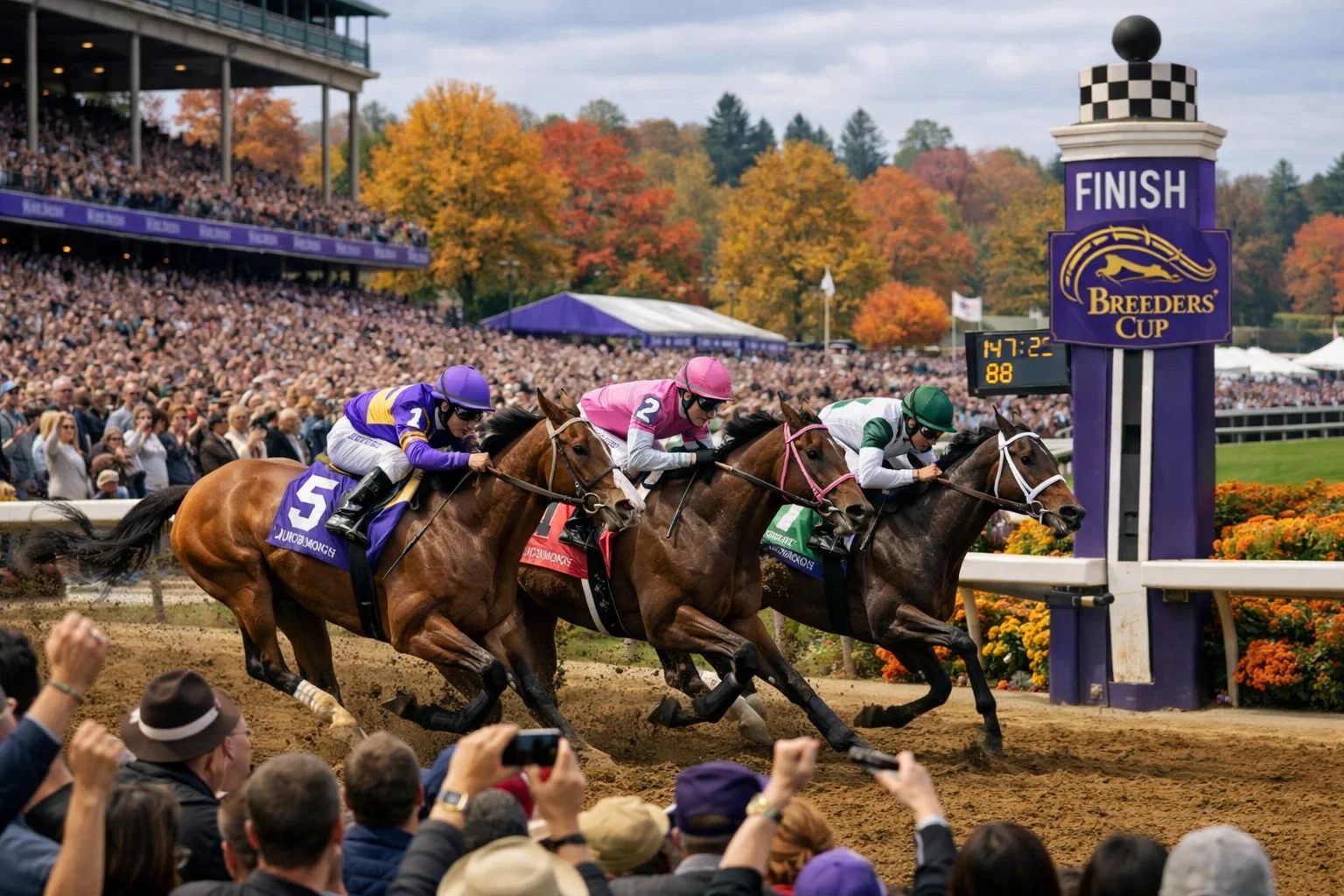
Beyond seasonal patterns, specific calendar events create unique betting situations. Kentucky Derby day features enormous pools across all wagers, with exotic betting reaching annual highs. Breeders’ Cup weekend generates the largest pools of the year across multiple championship races. These mega-events attract casual bettors who increase pool sizes while often betting inefficiently.
Mandatory payout days, when tracks must distribute entire Pick 4 or Pick 6 pools regardless of whether any ticket hits all winners, create enhanced value situations. The accumulated carryover pool gets distributed among winning tickets even if those tickets missed one or more races. Box bettors targeting mandatory payout sequences have positive expected value built into the pool structure.
Holiday racing at major tracks attracts increased attendance and betting handle. Memorial Day, Independence Day, and Labor Day weekends feature enhanced racing schedules with larger-than-typical pools. These holiday programs offer favorable pool conditions for exotic betting while sometimes featuring competitive fields that produce attractive payoffs.
Track-specific events like opening days, closing days, and special racing festivals generate local interest that enhances pools beyond typical levels. Keeneland’s spring and fall meets, Saratoga’s summer meet opening, and similar venue-specific events attract concentrated betting interest. Know the calendar at tracks you follow to identify periods when pool conditions favor exotic wagering.
Strategic Adjustments
Adjust your exotic betting approach based on seasonal and calendar factors. During spring, emphasize flexibility in box construction to accommodate uncertain form. During summer, trust established form patterns while accounting for circuit strength differences. During fall championships, increase investment when pools support it and public attention creates value opportunities. During winter, maintain discipline with smaller bets appropriate to reduced pool sizes.
Track the seasonal patterns at specific tracks you follow regularly. Some tracks have consistent biases during certain seasons, such as rail advantages during wet spring weather or speed biases during dry summer conditions. Others show predictable patterns in horse quality as trainers ship horses for specific meets. Document these track-specific seasonal tendencies to inform future handicapping.
Build your annual betting calendar around the racing calendar. Allocate more bankroll to periods with larger pools and better racing quality. Reduce exposure during periods with thin pools or compromised fields. Let the natural rhythms of the racing year guide your investment decisions rather than betting the same amounts regardless of conditions.
